Get free quotes from environmental site assessment near you
Takes about a minute. Free, no obligation; providers reply to you directly.
A developer I know hired a remote environmental consultant for a Phase I ESA on a former dry-cleaning property. The consultant was sharp — credentialed, responsive, cheap. The records review came back clean. Six months later, during construction, workers hit a PCE plume the size of a school bus. The site reconnaissance had been done from satellite imagery and a drive-by. Nobody had walked the back lot.
That story is not an argument against remote environmental consulting. It’s an argument for knowing which tool you’re actually holding.
The Short Version:Remote environmental consultants work fine for records reviews, regulatory research, and report writing. They do not work for field work. Phase I ESAs require physical site reconnaissance under ASTM E1527-21 — no exceptions. Hybrid arrangements (remote research, in-person fieldwork) are the post-pandemic norm and often the smartest structure.
Key Takeaways
- ASTM E1527-21 mandates in-person site reconnaissance — remote-only Phase I ESAs are non-compliant
- Remote consultants reduce overhead and expand your access to specialized expertise nationally
- Full-time remote workers cut emissions 54% vs. office workers — but in-house hybrid roles remain standard for environmental staff
- The right answer depends on your project type, not your preference
The Remote Work Hype Hit Environmental Consulting Too
Post-pandemic, every industry got religion about remote work. Environmental consulting was no exception. Firms started advertising “virtual ESAs,” remote compliance reviews, and digital-first environmental due diligence. Some of it was genuinely useful. Some of it was a cost-cutting rebrand of corners being cut.
Here’s what most people miss: environmental consulting isn’t one job. It’s at least three — research, fieldwork, and analysis — and they have completely different remote-work profiles.
Nobody tells you this when they’re pitching you a “streamlined digital-first environmental review.”
What Remote Actually Works For
Remote environmental consultants can be excellent for:
Records and regulatory research. Reviewing federal and state databases (EDR, Regulatory.gov, state UST registries), pulling historical aerials, researching chain-of-title — all of this is screen work. A credentialed consultant in Denver doing database research for your Chicago property is functionally equivalent to one sitting in your building.
Report writing and QA. Drafting Phase I narratives, reviewing lab reports from Phase II sampling, interpreting findings — again, pure desk work. Geography is irrelevant.
Compliance strategy and regulatory navigation. An environmental attorney or CHMM helping you respond to an agency notice doesn’t need to be in your city. They need to know the regulations and how to negotiate.
Cost management. Remote consultants carry lower overhead — no office allocation, sometimes no benefits load if they’re independent. That passes through. For projects where fieldwork is minimal or already complete, the savings are real.
Pro Tip:If you’re hiring for records review and report writing on a straightforward commercial transaction, remote works fine. Ask specifically what fieldwork methodology they use and who physically visits the site.
What Absolutely Requires In-Person Work
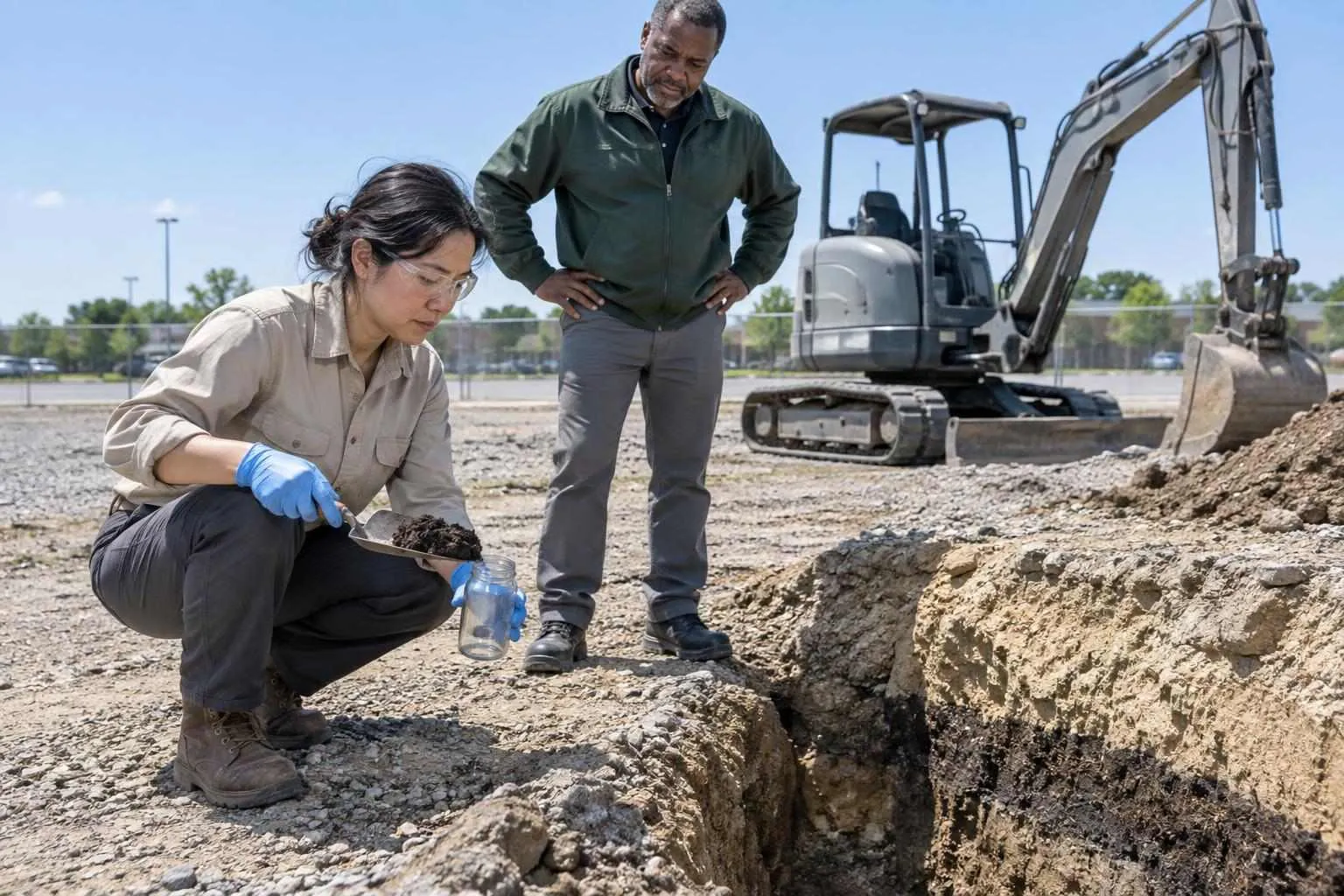
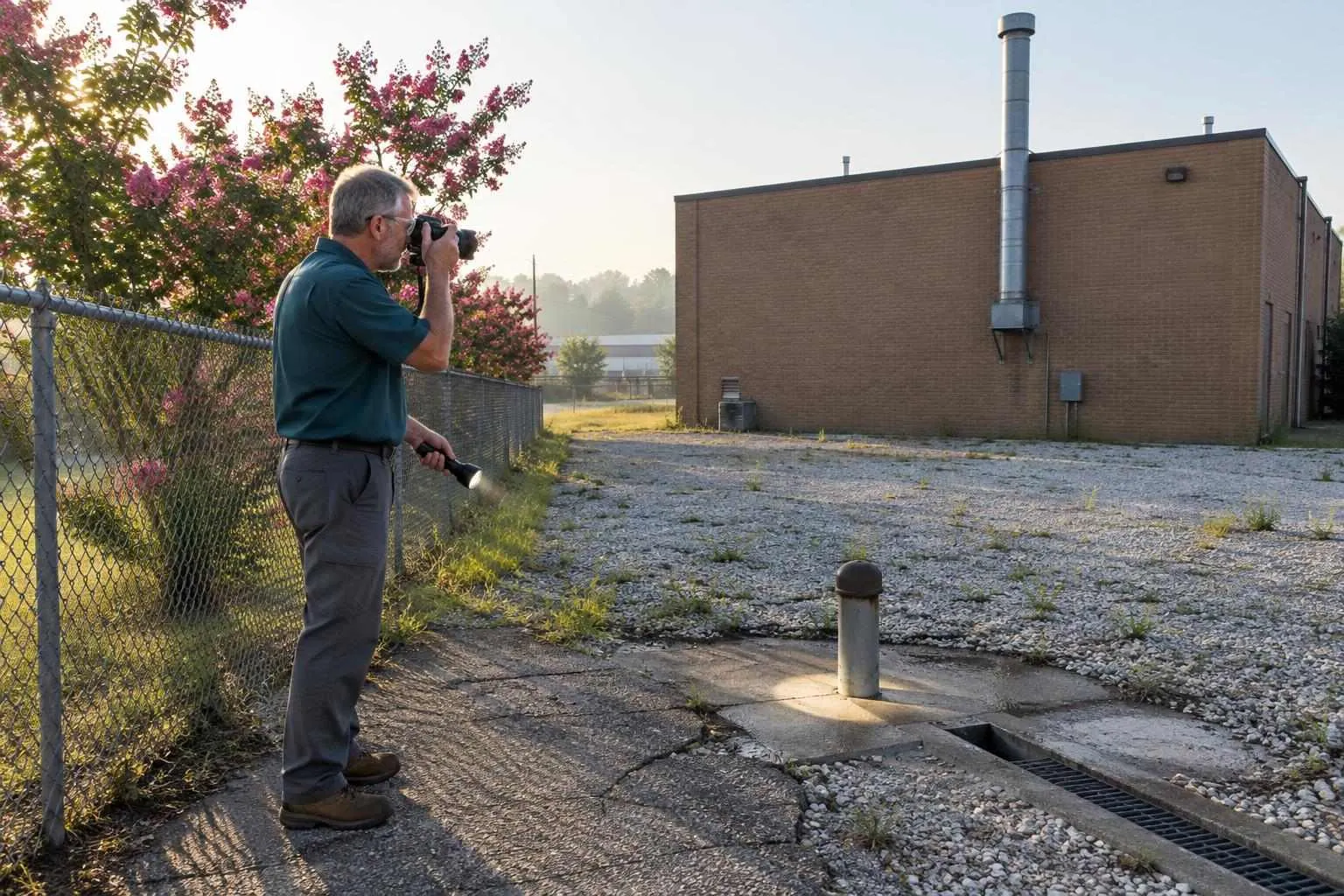
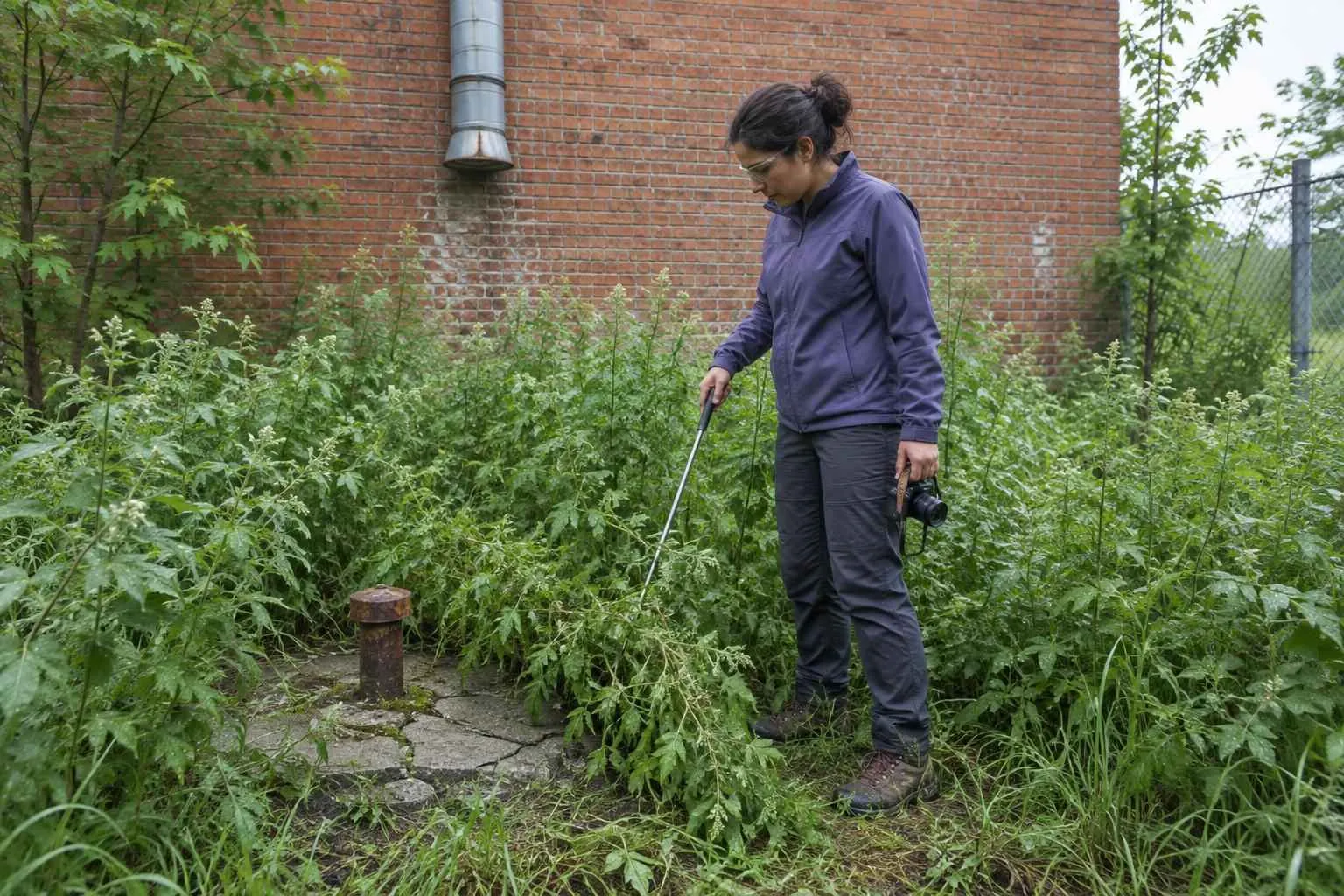
This is not negotiable. ASTM E1527-21 — the current standard for Phase I ESAs — requires physical site reconnaissance. A qualified environmental professional must walk the property, observe conditions, and document recognized environmental conditions (RECs) from direct observation. Satellite imagery and street view don’t satisfy the standard. Lenders know this. SBA and CMBS underwriters will reject non-compliant Phase I reports.
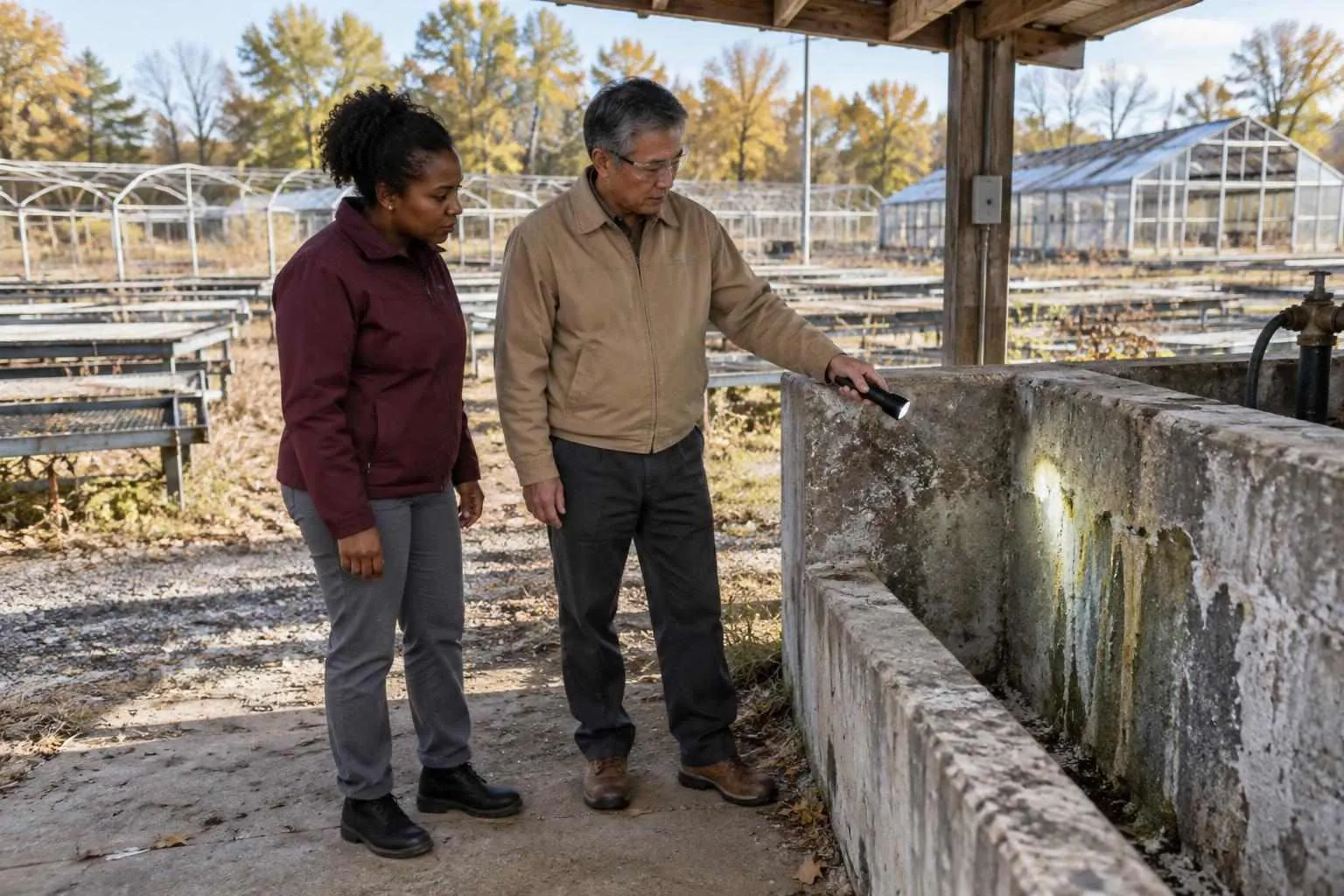
Beyond regulatory compliance, field conditions routinely contradict records. Tanks get abandoned without permits. Drums get stored in unlocked outbuildings. Staining appears on concrete that no database would flag. RMA Green, an environmental consultancy, puts it plainly: in-house, on-site consultants can “know your stormwater sample point” and respond immediately to surprises. That institutional knowledge doesn’t exist in a Zoom call.
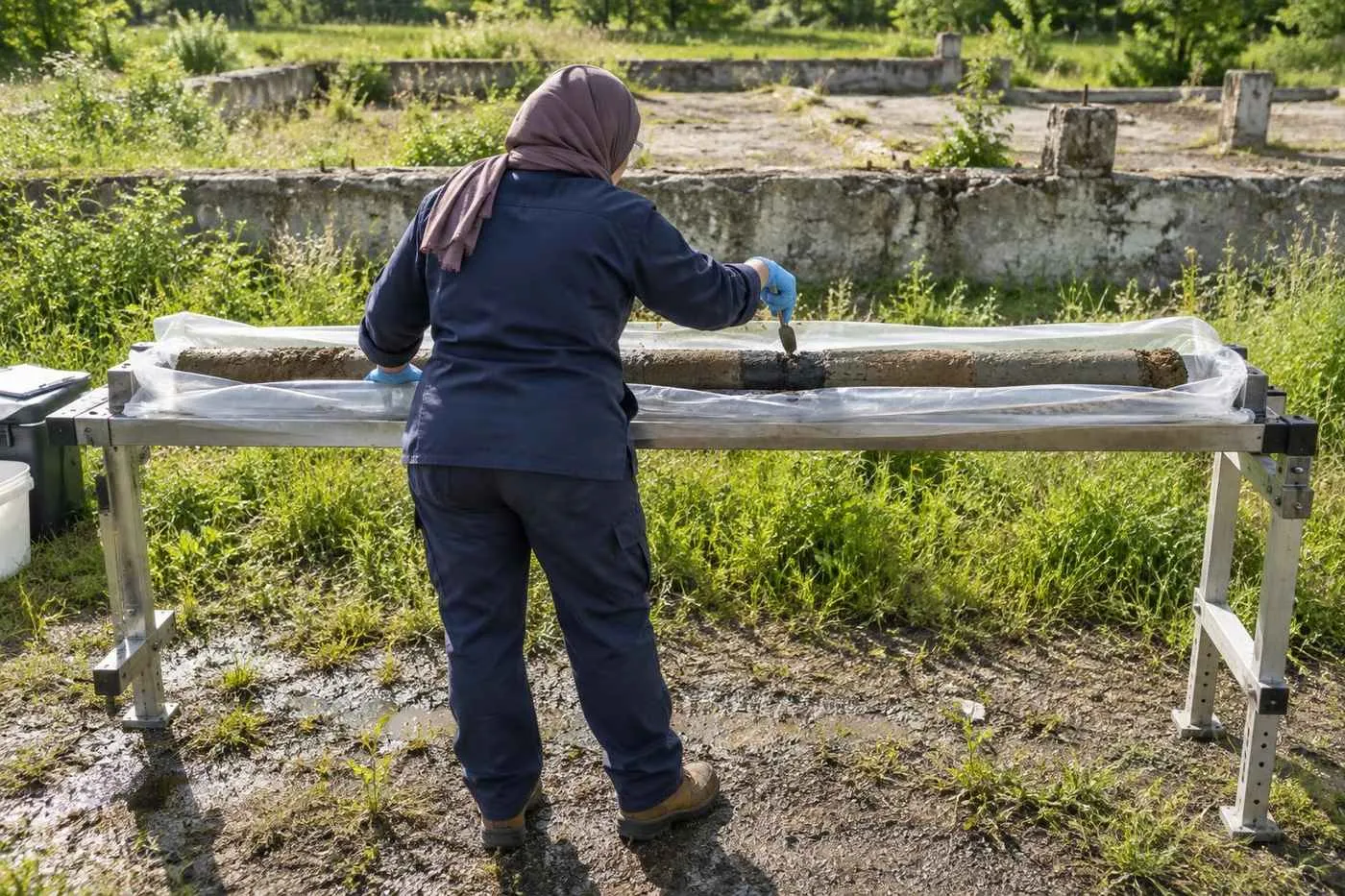
Phase II ESAs are entirely in-person by definition. Soil borings, groundwater sampling, laboratory submissions — this is physical work. Full stop.
Reality Check:Any consultant offering a fully remote Phase I ESA for a property requiring ASTM compliance is either misrepresenting their service or proposing a desktop-only limited assessment — a different product entirely. Know which one you’re buying.
The Comparison You Actually Need
| Scenario | Remote OK? | In-Person Required? | Notes |
|---|---|---|---|
| Phase I ESA site reconnaissance | No | Yes | ASTM E1527-21 mandate |
| Phase I records review & report | Yes | No | Pure desk work |
| Phase II sampling & field work | No | Yes | Physical by definition |
| Regulatory compliance strategy | Yes | No | Research and advisory |
| Active spill / emergency response | No | Yes | Immediate site access critical |
| Annual compliance reporting | Yes | No | Data aggregation and filing |
| Stormwater permit management | Partial | Sometimes | Depends on inspection requirements |
| Expert witness / litigation support | Partial | Sometimes | Deposition prep remote; trial in-person |
The Hybrid Reality Nobody Is Fully Admitting
Post-pandemic, the real structure that’s emerged isn’t “remote vs. in-person” — it’s hybrid, with work type determining location rather than policy determining everything.
Large consultancies have downsized office footprints. In-house corporate environmental staff operate 2-3 days in the office for leadership face-time and cross-functional coordination, with field days when projects require it. The OP Consulting Group frames it well: on-site wins for human connection and creativity on team-driven initiatives; remote works for individual deep-work tasks and global talent access.
The emissions math is interesting context here. Full-time remote workers reduce emissions 54% compared to office workers, mostly from eliminated commuting — and the World Economic Forum estimates telecommuting could remove 14 million cars from US roads. But a UK winter study found a counterintuitive wrinkle: home heating energy for remote workers can exceed what an equivalent group would consume in a shared office. The net environmental case for remote isn’t as clean as the headline numbers suggest.
For environmental consultants specifically, this means the “greener” choice depends on project geography, season, and whether fieldwork requires site visits anyway. A consultant driving 200 miles for a site visit every week isn’t gaining much from working at home the other four days.
How to Structure the Engagement
For most commercial real estate transactions, the right structure is:
- Hire regionally for field work. The consultant who conducts site reconnaissance should be able to reach the property without a flight. Travel time shows up in your bill and delays your timeline.
- Hire nationally for specialized expertise. If you need a CHMM with specific experience in vapor intrusion or a PG who’s worked with your state’s UST program, geography shouldn’t limit your options for the desk-work portions.
- Clarify who physically goes to the site. On any firm’s proposal, identify the named professional doing reconnaissance. Get their credentials. Confirm they’re doing a walk, not a drive-by.
For a deeper look at what the full ESA process involves, the Complete Guide to Environmental Consultants covers credentialing, scope, and what to expect from a compliant assessment.
Practical Bottom Line
Remote environmental consulting is real and legitimate — for the right tasks. Records reviews, compliance strategy, report QA, regulatory research: all fine. ASTM-compliant Phase I reconnaissance, Phase II sampling, emergency response: non-negotiable in-person.
The consultants who will serve you best are honest about this distinction upfront. Ask them directly: “Who physically walks my site, when, and what are their credentials?” If the answer is vague, keep looking.
The pandemic didn’t change what soil looks like from the ground. It just gave some vendors cover to pretend it did.
Done reading? Get quotes from environmental consultants near you.
Takes about a minute. Free, no obligation; providers reply to you directly.
Popular cities:
Nick built this directory to help developers and lenders find credentialed environmental consultants without wading through firms that also perform remediation — a conflict of interest he encountered firsthand while navigating due diligence on a commercial acquisition.