Get free quotes from environmental site assessment near you
Takes about a minute. Free, no obligation; providers reply to you directly.
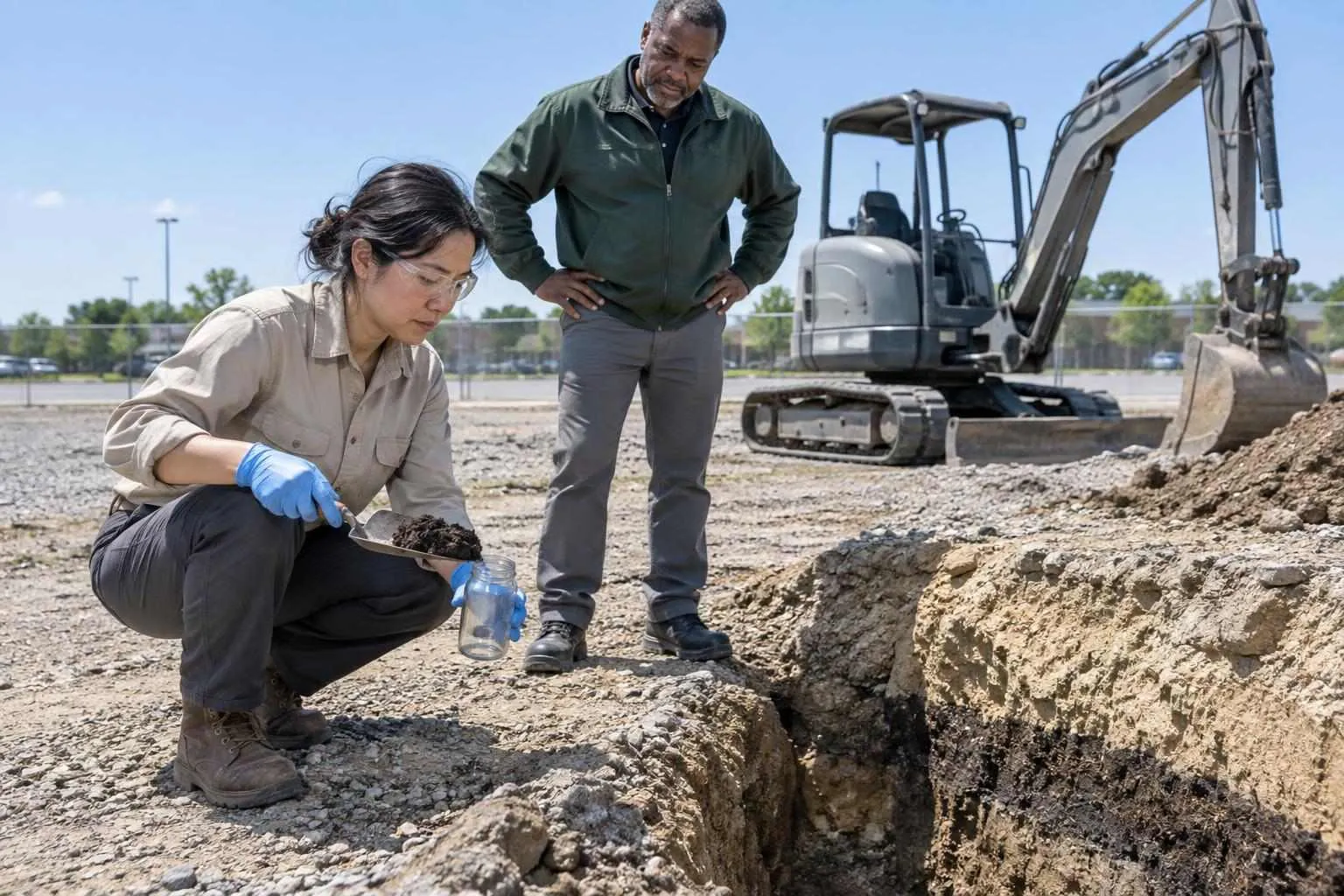
A developer I know spent $40,000 remediating contaminated soil on a property he bought without doing a Phase I assessment. The seller had disclosed nothing. The bank hadn’t required it. His attorney had never mentioned it. Six months after closing, a routine excavation for a parking lot expansion turned up petroleum-impacted soil from an underground storage tank that had been decommissioned — poorly — sometime in the 1980s. The cleanup took eight months. The deal nearly killed his company.
An environmental consultant would have caught it in three weeks for under $3,000.
The Short Version:Environmental consultants assess, audit, and advise on environmental risk — before you buy a property, before you break ground, and when a regulator comes knocking. The right one saves you multiples of their fee. The wrong one (or none at all) can sink a deal, trigger liability, or stall a project for years. This guide covers everything: what they do, what credentials to look for, what it costs, and how to hire one without getting burned.
Key Takeaways:
- Phase I ESAs (ASTM E1527-21) are the baseline for almost every commercial real estate transaction — they identify recognized environmental conditions without any physical sampling
- Certifications matter: look for CHMM, REP, PE, or PG depending on the project type
- Cost varies enormously by service type — Phase I assessments, EIAs, and remediation oversight each live in completely different price tiers
- Matching the consultant’s experience to your specific project type is more important than hiring the biggest firm
What an Environmental Consultant Actually Does
Here’s what most people miss: “environmental consultant” is an umbrella term covering a dozen distinct specialties. The person you hire to do a Phase I ESA before a commercial acquisition is not the same person you want overseeing a brownfield remediation or managing your facility’s stormwater permits.
At the broadest level, environmental consultants do five things:
1. Environmental Impact Assessments (EIAs) For infrastructure projects, mining operations, renewable energy development, and major construction, an EIA documents how a project will affect air quality, water quality, soil, ecology, and surrounding communities. These are often regulatory requirements — not optional extras. They follow scientific standards for natural resources detection and can take weeks to months to complete depending on project complexity.
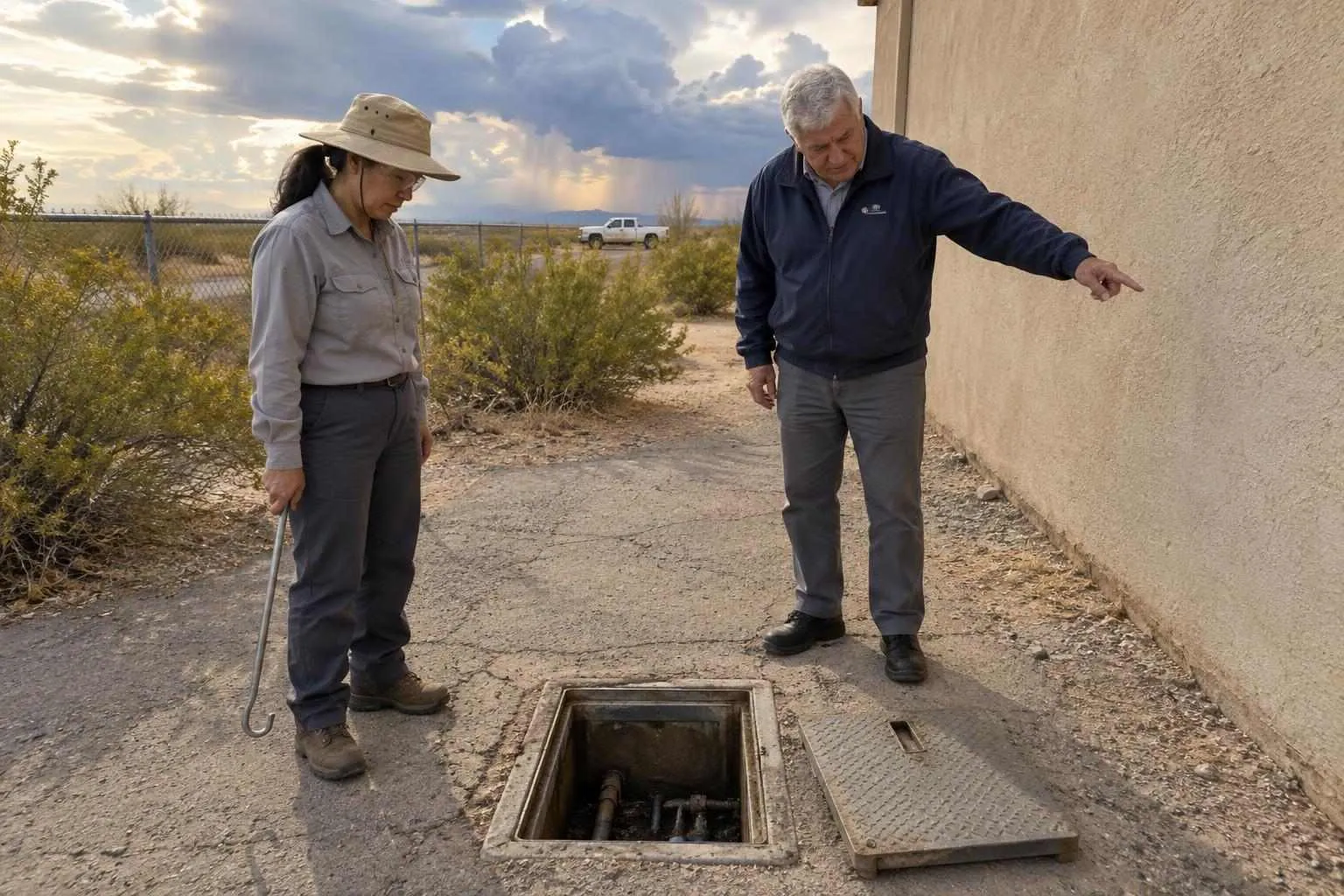
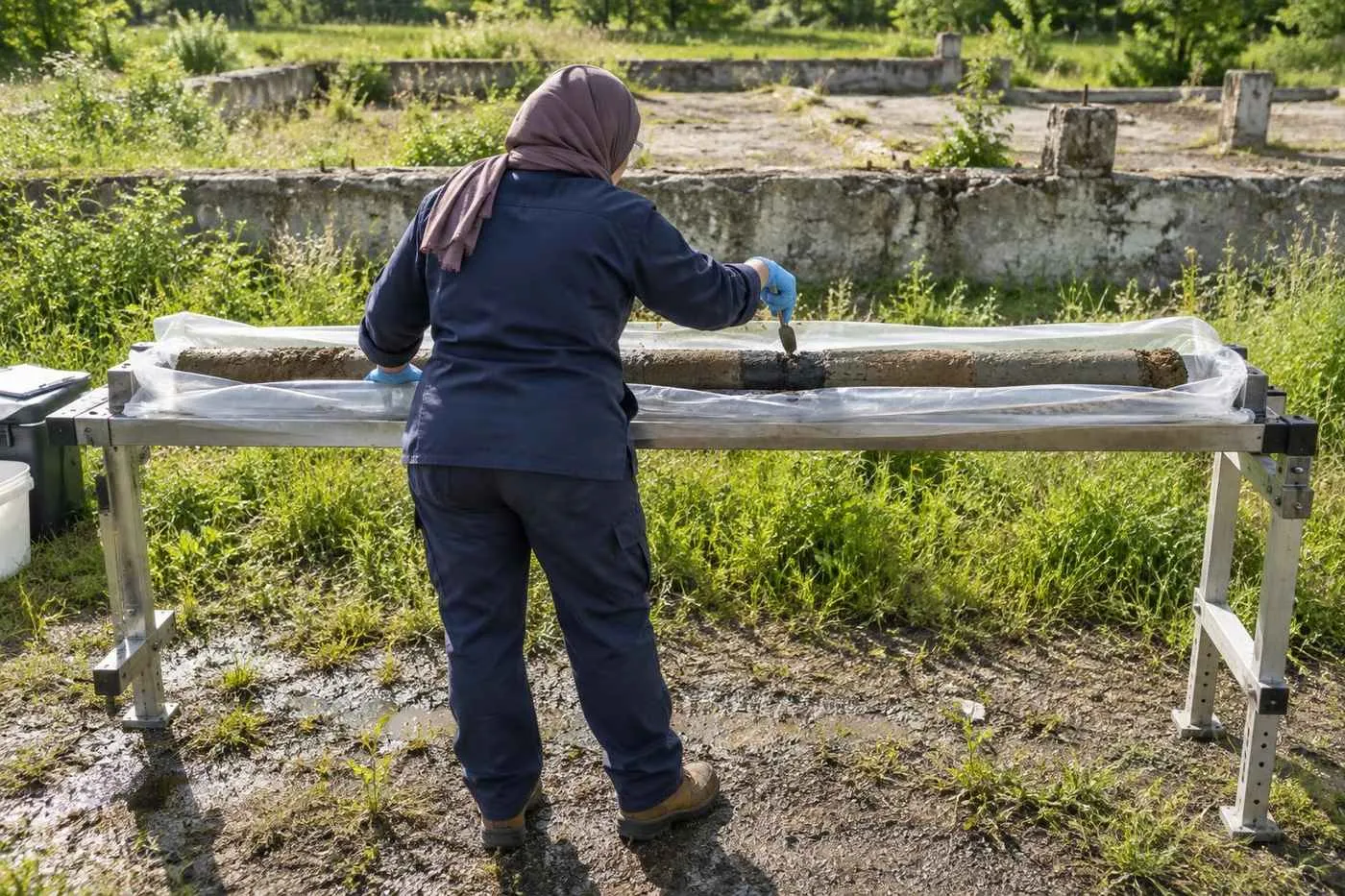
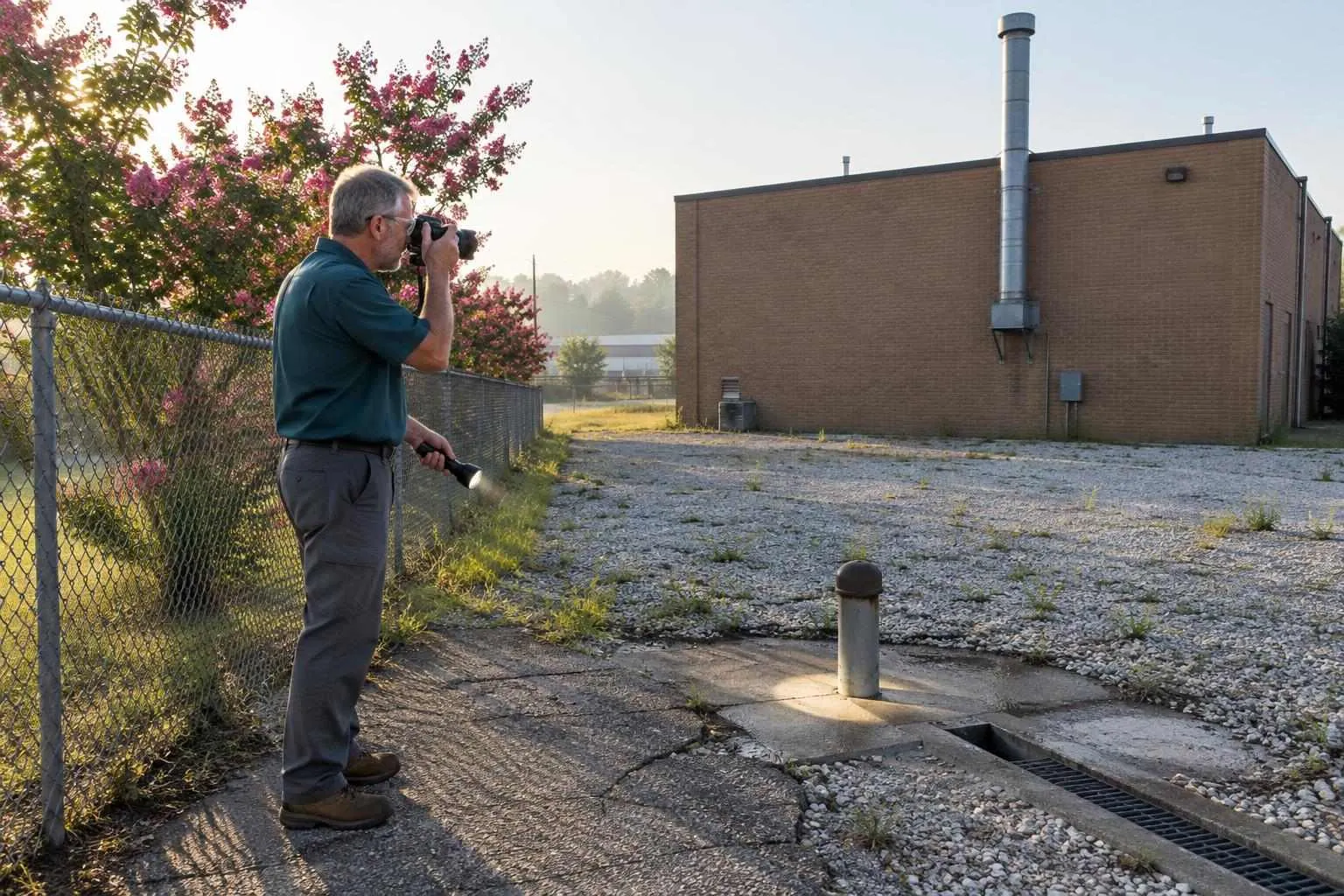
2. Phase I and Phase II Site Assessments This is the bread and butter of real estate environmental due diligence. A Phase I involves records reviews, site reconnaissance, regulatory database searches, and interviews — no sampling. A Phase II adds soil borings, groundwater monitoring wells, and laboratory analysis when a Phase I turns up red flags. Both follow ASTM E1527-21 protocols. Both are required for SBA loans, CMBS financing, and most institutional lenders.
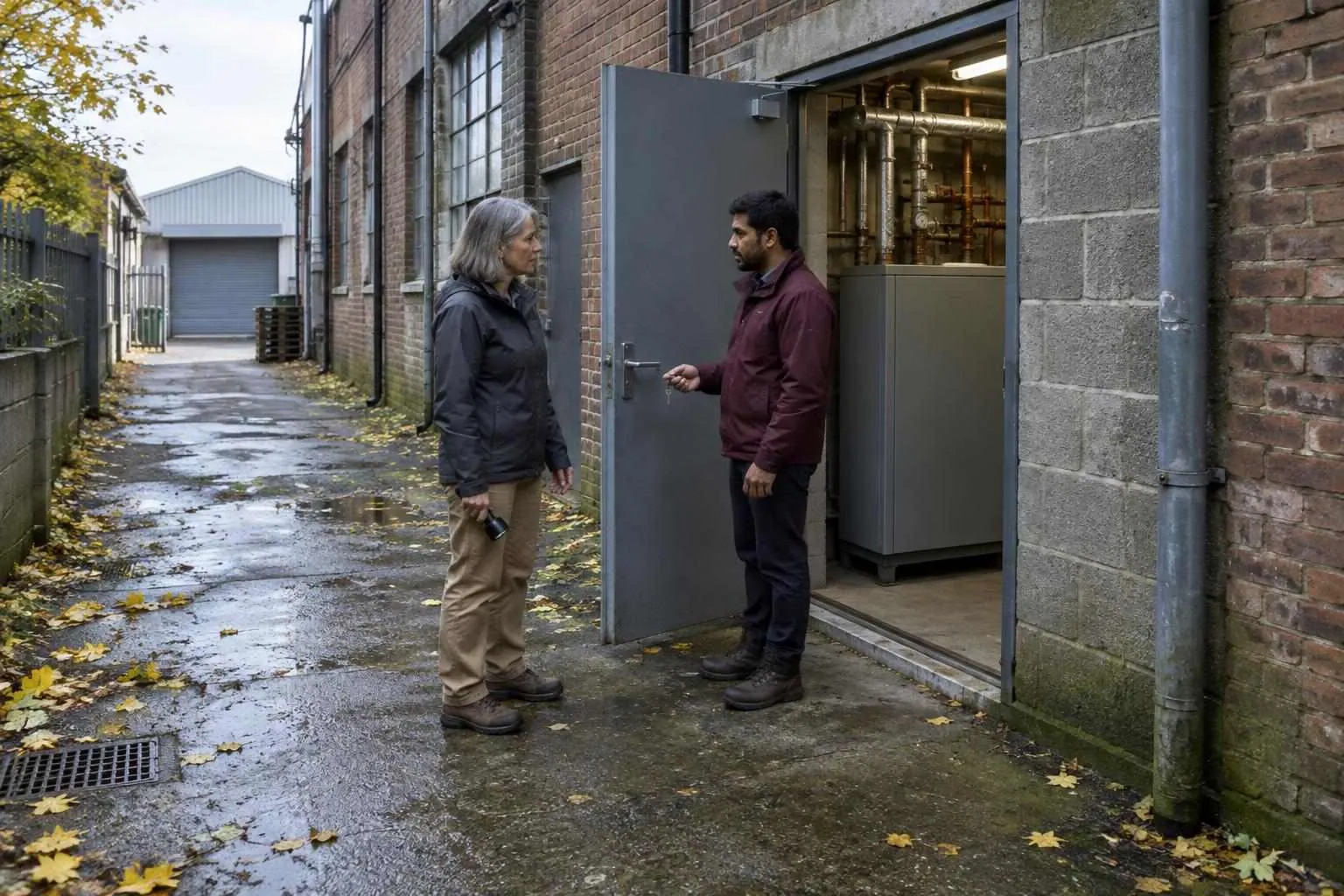
3. Compliance and Permitting Active facilities — manufacturers, distributors, fuel handlers, agricultural operations — need ongoing environmental compliance support: Spill Prevention, Control, and Countermeasure (SPCC) plans, stormwater permits, Tier II chemical reporting, and Environmental Management System (EMS) development. This is where firms like RMA Green live. They specialize in regulatory work for operating businesses and deliberately avoid trying to be everything to everyone.
4. Pollution Control and Remediation Contamination already found? This is a different engagement entirely — site characterization, remedial investigation, feasibility studies, agency negotiation, and cleanup oversight. Expect longer timelines, higher costs, and the need for a consultant with specific remediation experience in your contaminant type and jurisdiction.
5. Sustainability and Climate Services GHG inventories, LEED certification support, renewable energy site screening, and climate adaptation planning are the fastest-growing segment. For renewable energy developers specifically, a Critical Issues Analysis (CIA) or Fatal Flaw Analysis done early can eliminate high-risk sites before significant capital is deployed — often far cheaper than discovering a problem mid-permitting.
Service Type Comparison
| Service | Typical Trigger | What’s Delivered | Timeline |
|---|---|---|---|
| Phase I ESA | Property acquisition, loan underwriting | Written report, RECs identified | 2–4 weeks |
| Phase II ESA | Phase I finds RECs | Sampling data, lab results, risk assessment | 4–12 weeks |
| EIA | New construction, infrastructure, mining | Impact analysis, mitigation plan | Months to years |
| SPCC / Stormwater Permits | Operating facility, regulatory requirement | Written plan, permit application | 4–8 weeks |
| Remediation Oversight | Confirmed contamination | Site cleanup management, agency liaison | Months to years |
| GHG Inventory | Voluntary reporting, ESG commitments | Emissions quantification report | 4–8 weeks |
| Critical Issues Analysis | Renewable energy site selection | Early risk flag report | 2–6 weeks |
Nobody tells you this: most environmental consulting engagements go sideways not because the consultant was incompetent, but because the client hired a Phase I specialist to manage a remediation, or a remediation firm to handle ongoing compliance. Scope mismatch is the industry’s dirty secret.
Credentials: What the Alphabet Soup Actually Means
The environmental consulting field has more credentials than almost any other profession. Here’s what matters:
- CHMM (Certified Hazardous Materials Manager) — broad environmental health and safety credential, highly recognized across industries
- REP (Registered Environmental Professional) — generalist credential for environmental assessment and compliance work
- PE (Professional Engineer) — required when engineering sign-offs are needed; critical for remediation design and some permitting
- PG (Professional Geologist) — required in many states for subsurface investigations, Phase II work, and groundwater monitoring
- ISO 14001 Lead Auditor — relevant for EMS implementation and corporate sustainability engagements
- LEED AP — required for green building consulting, LEED certification support
Reality Check:A credential is a floor, not a ceiling. An REP with 15 years of SPCC plan experience in your state is worth more than a PE who’s never touched one. Verify credentials, then dig into project-specific experience.
Common educational backgrounds include environmental science, environmental engineering, industrial hygiene, and chemistry. What matters practically is whether they’ve done this type of work in your jurisdiction recently.
Pricing: What to Expect
Pricing data in this industry is notoriously opaque, and anyone who gives you a single number without understanding your project scope is guessing. That said, here’s the honest framework:
Phase I ESAs are the most commoditized service. Budget quality varies significantly — a low-price provider may miss recognized environmental conditions through sloppy database searches or perfunctory site reconnaissance. Premium Phase I assessments cost more but reduce the risk of a costly miss. For complex commercial properties or those with obvious environmental history, paying for quality here is not optional.
Phase II ESAs are priced by the number of borings, the lab analysis required, and the regulatory complexity. Costs scale with the size of the potential contamination problem.
Compliance and permitting work — SPCC plans, stormwater permits, chemical reporting — is often billed hourly or on retainer. Firms that specialize in regulatory compliance for active facilities typically charge based on the specific permits, plans, and reporting obligations involved.
EIAs and CIA/Feasibility Studies for renewable energy and major infrastructure can range from modest engagements to multi-year, multi-firm projects depending on scope.
Remediation is in a class of its own. The only honest answer is: it depends entirely on the nature, extent, and depth of contamination, the regulatory agency involved, and the cleanup standard required.
Pro Tip:Automated tools like Transect — built by ex-consultants — can generate site-specific environmental screening reports quickly and cheaply for early-stage due diligence. They won’t replace a full Phase I for lender purposes, but they’re excellent for killing high-risk sites before you’ve spent money on professional services.
How to Hire One Without Getting Burned
The single most important question to ask any environmental consultant: Have you done this specific type of work in this specific state recently?
State and local regulations vary dramatically. A firm with deep expertise in California air quality permitting may be lost navigating Texas Railroad Commission requirements. Regulations vary by state and region so thoroughly that no single firm covers all of them well — and the good ones know it. RMA Green’s approach — sticking to what they’re excellent at and turning down work outside their lane — is the model you want your consultant to follow.
Practical hiring checklist:
- Define your project type first. Phase I? Remediation? Ongoing compliance? Get specific before you start calling firms.
- Verify credentials for your jurisdiction. Not all credentials are recognized in all states. PG requirements vary significantly.
- Ask for references on similar projects. Not just general references — ask for clients with the same project type.
- Check for regulatory relationships. For permitting and compliance work, a consultant who knows the relevant agency staff is worth their premium.
- Ask attorneys for recommendations. Environmental attorneys who do real estate or M&A work routinely refer clients to technical consultants — and they know the difference between firms that produce defensible work and firms that produce paper.
- Align scope to capabilities. Be explicit about timeline and budget constraints upfront. Environmental projects are notorious for scope creep.
Reality Check:The cheapest Phase I is often the most expensive decision you’ll make. A consultant who misses a REC because they rushed the database search can expose you to liability that dwarfs their fee ten times over.
State Regulations and Jurisdictional Complexity
Federal frameworks — CERCLA, RCRA, the Clean Water Act, the Clean Air Act — set the floor. States build on top of them, sometimes significantly. California, New Jersey, and Massachusetts have some of the most stringent state-level environmental regulations in the country. Texas, Wyoming, and other resource-extraction states have their own specialized frameworks around oil and gas operations.
This matters for hiring: a consultant doing Phase II work needs to understand the specific regulatory cleanup standards and voluntary cleanup programs in your state. These vary not just in thresholds but in process, documentation requirements, and which agency has jurisdiction.
For renewable energy projects, state-specific Critical Issues Analysis requirements, endangered species databases, and wetland delineation standards add additional layers. An automated screening tool can flag federal-level concerns quickly — but state-specific analysis still requires human expertise.
Future Trends: Where the Industry Is Going
Three forces are reshaping environmental consulting right now:
Climate adaptation work is exploding. GHG inventories, climate risk assessments, and sustainability reporting (driven by SEC climate disclosure rules and voluntary ESG commitments) are creating demand for consultants with emissions quantification and climate scenario modeling skills. This wasn’t a major service line five years ago.
Automation is compressing the low end. Software platforms built by former consultants can generate site-specific screening reports in hours rather than weeks for early-stage due diligence. This is killing the low-margin, high-volume Phase I market for generalist firms and forcing specialization.
Regulatory scrutiny is intensifying. PFAS contamination, vapor intrusion pathways, and emerging contaminant frameworks are creating new categories of liability that didn’t exist in most Phase I scope a decade ago. ASTM E1527-21 (updated from the 2013 standard) added vapor intrusion as a recognized pathway. Consultants who haven’t updated their practice to current standards are a liability, not an asset.
Practical Bottom Line
If you’re acquiring commercial real estate: get a Phase I from a firm with Phase I specialists. Don’t let your broker’s preferred vendor do it as an afterthought.
If you’re developing a renewable energy project: commission a Critical Issues Analysis or Fatal Flaw Analysis before you spend significant money on site control or permitting. Catching a fatal flaw early costs a fraction of discovering it mid-process.
If you’re running an active facility with regulatory obligations: hire a compliance-focused firm that knows your specific permits and agencies. Don’t use your Phase I firm for SPCC plans unless they explicitly specialize in both.
For everything else — matching credentials to project type, verifying jurisdictional experience, and getting references on similar work — the principles don’t change. The right environmental consultant is one of the highest-ROI professionals you can hire. The wrong one, or none at all, is how developers lose $40,000 to a parking lot.
Done reading? Get quotes from environmental consultants near you.
Takes about a minute. Free, no obligation; providers reply to you directly.
Popular cities:
Nick built this directory to help developers and lenders find credentialed environmental consultants without wading through firms that also perform remediation — a conflict of interest he encountered firsthand while navigating due diligence on a commercial acquisition.