Get free quotes from environmental site assessment near you
Takes about a minute. Free, no obligation; providers reply to you directly.
A client called me three weeks before closing on a $2.1 million industrial property. He’d already signed the purchase agreement. His broker had assured him a “quick environmental check” would be fine — the place looked clean, the seller had a good reputation, and hey, it had been a machine shop for forty years. What could go wrong?
Dry-cleaning solvent in the soil. That’s what could go wrong. A Phase I the broker hadn’t ordered flagged the historical use. The deal restructured. My client wasn’t thrilled, but he wasn’t holding a contaminated site either.
Here’s the thing that confused him at first — and confuses a lot of buyers — is the difference between the assessment and the consultant. Are they the same thing? Does hiring an environmental consultant automatically mean you get a Phase I ESA? Do you need both, separately, and why does it cost what it costs?
Nobody explains this clearly. So let me.
The Short Version:A Phase I ESA is a specific, standardized deliverable — a report. An environmental consultant is the credentialed professional who produces it. You need the consultant to get the Phase I. But the consultant can also do a lot more than just Phase I work, and understanding that distinction determines how much protection you actually have.
Key Takeaways
- A Phase I ESA must follow ASTM E1527-21 to qualify for CERCLA liability protection under EPA’s All Appropriate Inquiry (AAI) rules — older standards like ASTM E1527-05 no longer qualify
- Only a credentialed “environmental professional” (think: Certified Environmental Professional, Professional Geologist, licensed engineer) can legally conduct a Phase I
- Phase I identifies Recognized Environmental Conditions (RECs) — it does not test soil, pull samples, or audit compliance; that’s Phase II territory
- If your lender requires a Phase I, they’re requiring the report — but the quality of that report depends entirely on who runs it
The Difference Most People Get Wrong
Think of it like a home inspection. The inspection report is the deliverable. The licensed home inspector is the professional. You wouldn’t confuse the two — and you’d care a lot about who actually does the work, not just whether the report exists.
Same logic applies here.
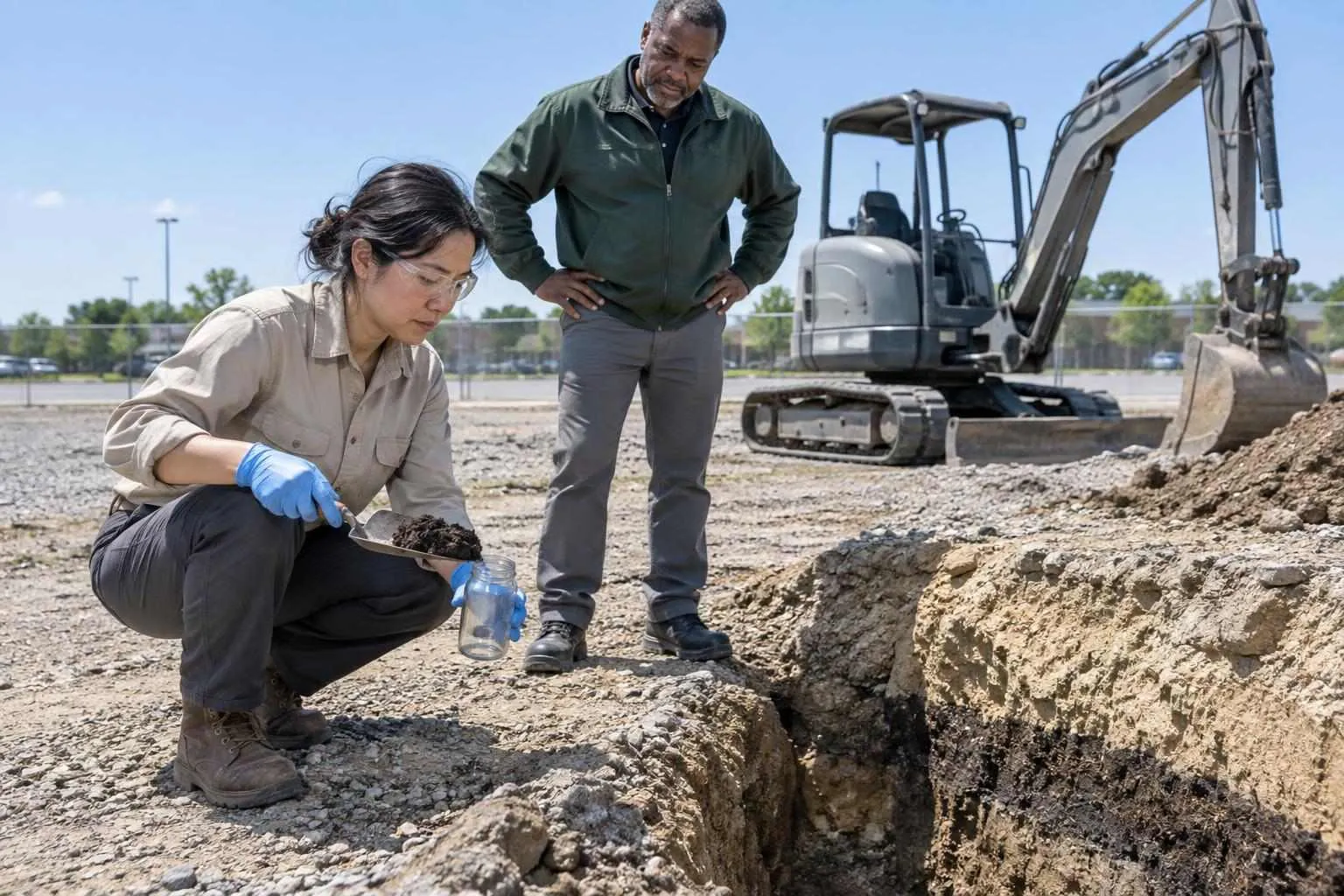
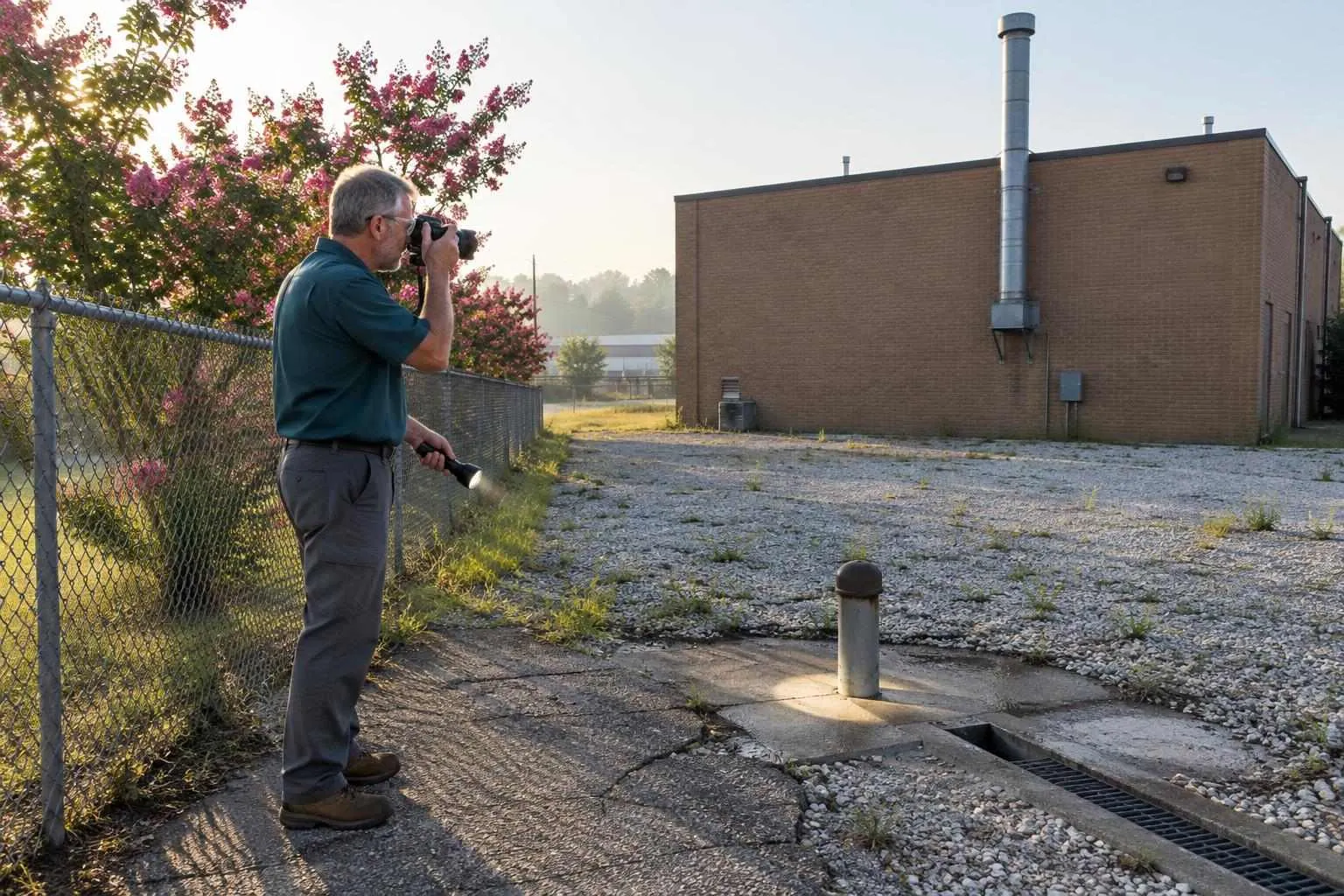
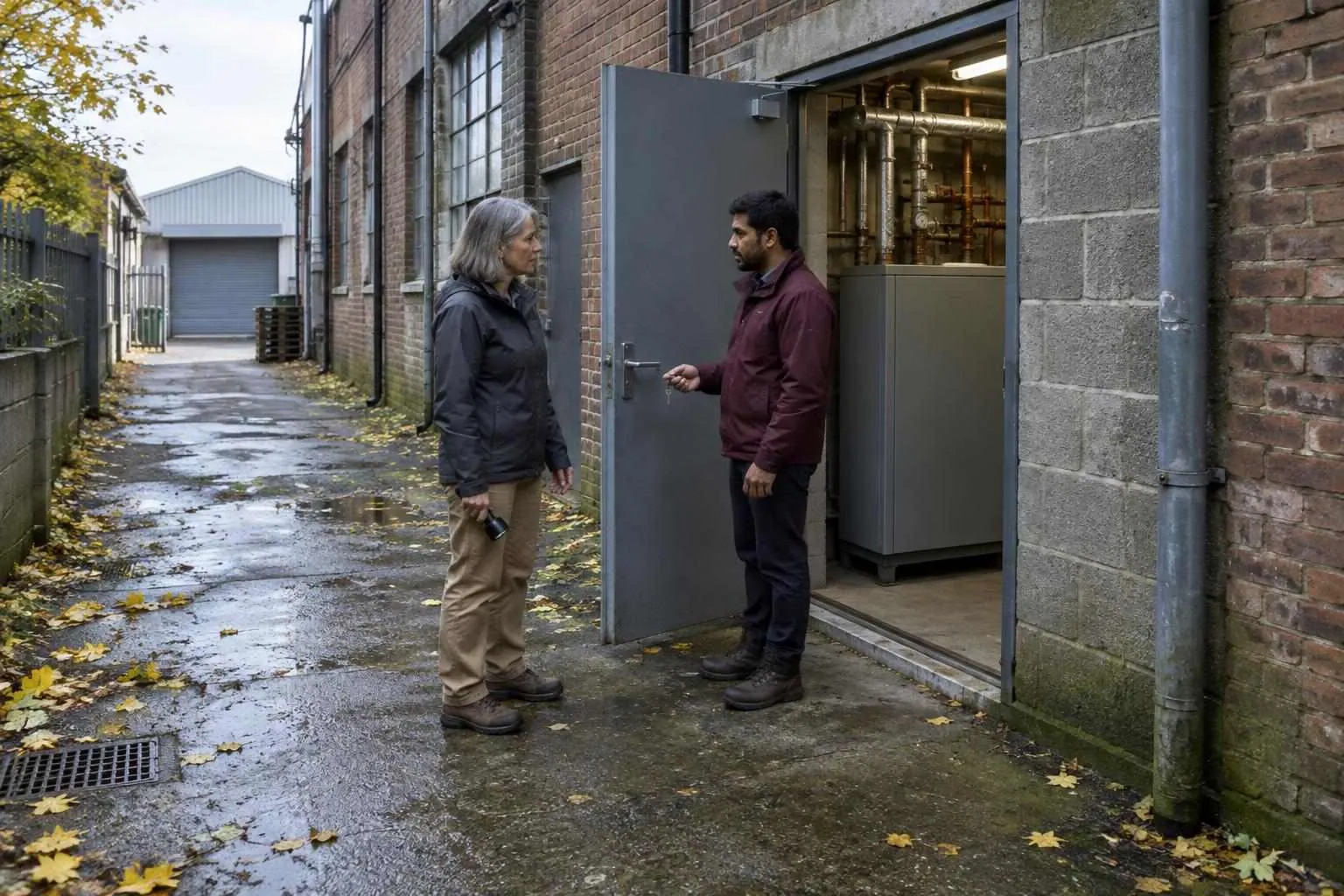
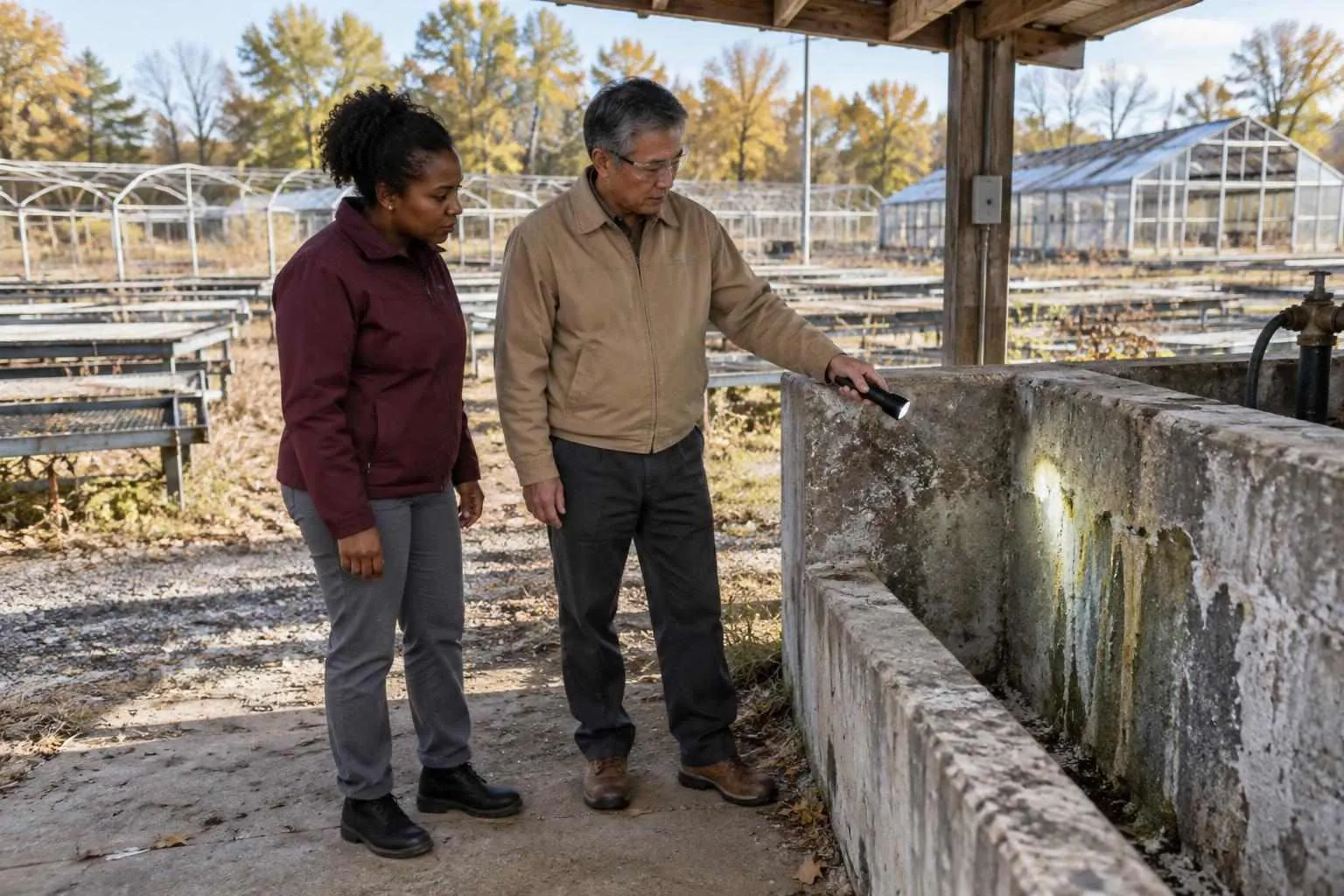
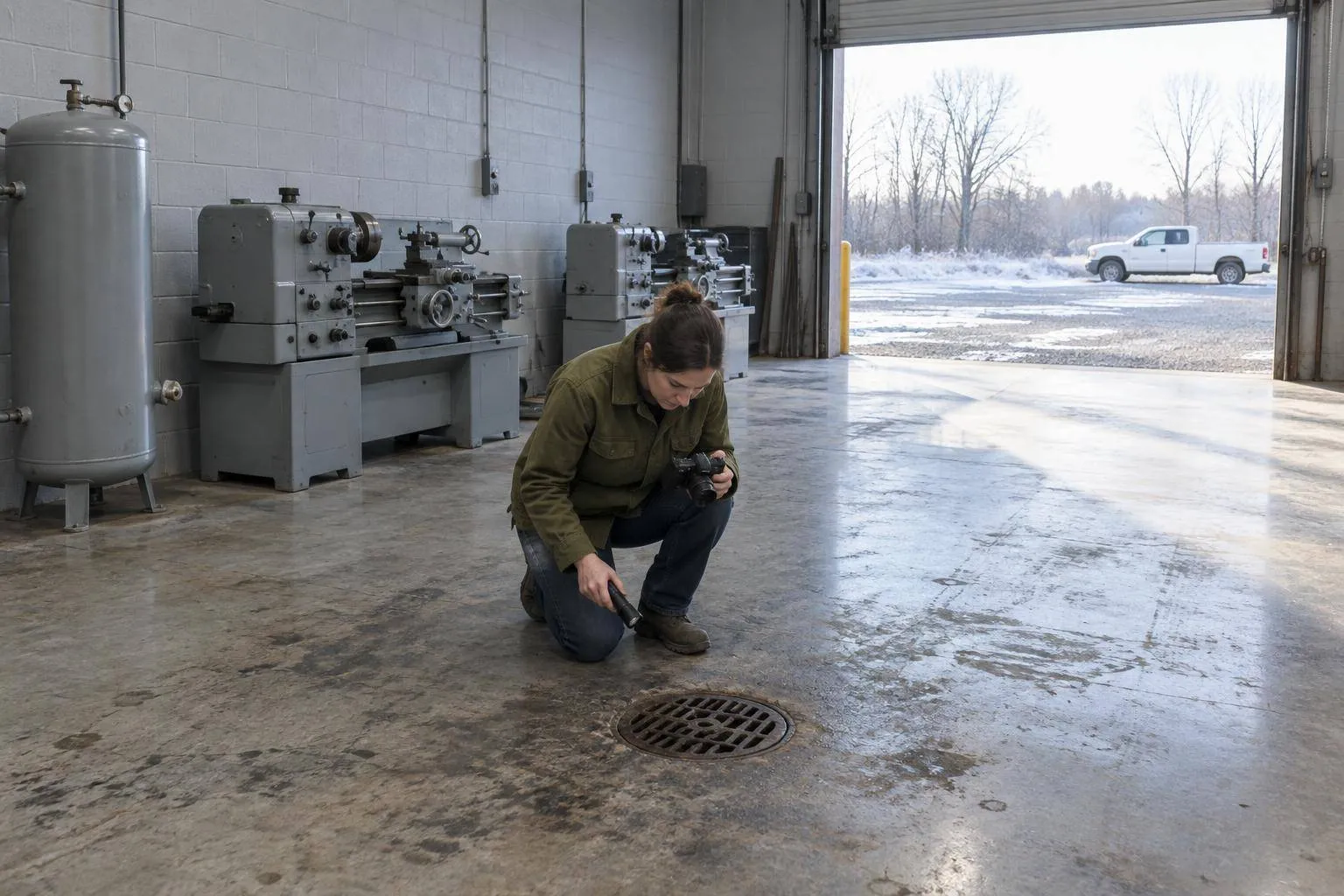
A Phase I ESA is a standardized process codified under ASTM E1527-21. It includes: a historical records review, public database and permit research, owner and occupant interviews, a physical site inspection with photographs, identification of any RECs, and a written report with recommendations. Every qualified Phase I follows this same structure. That consistency is the point — it’s what makes the report CERCLA-defensible in federal court.
An environmental consultant is the credentialed professional (or firm) who does all of that work. The credentials matter: we’re talking CEP (Certified Environmental Professional), PG (Professional Geologist), PE (Professional Engineer), or equivalent. Reputable firms bring multidisciplinary teams — engineers, geologists, regulatory specialists — because contamination doesn’t respect neat professional boundaries.
Reality Check:Not everyone calling themselves an “environmental consultant” has the qualifications required under ASTM E1527-21. A Phase I produced by an unqualified individual offers zero CERCLA liability protection — regardless of what the report says. Verify credentials before you sign anything.
| Phase I ESA | Environmental Consultant | |
|---|---|---|
| What it is | A standardized report (ASTM E1527-21) | The credentialed professional who produces it |
| Output | Written REC assessment with liability findings | Professional judgment, guidance, and deliverables |
| Qualifications required | ASTM-defined “environmental professional” | CEP, PG, PE, or equivalent licensure |
| Protects against | CERCLA Superfund liability (if standards met) | Enables that protection through quality execution |
| What it doesn’t cover | Soil/groundwater sampling, compliance audits | N/A — scope is defined by engagement |
| Next step if issues found | Recommends Phase II | Executes Phase II, remediation guidance |
When You Need Both (Which Is Almost Always)
Here’s what most people miss: you can’t get one without the other. A Phase I ESA only exists if a qualified environmental consultant conducts it. There’s no self-serve version. The ASTM standard explicitly requires an environmental professional at the helm.
So the real question isn’t “Phase I or consultant” — it’s “what does the consultant do beyond the Phase I?”
For a straightforward commercial property acquisition, you hire the consultant to deliver the Phase I. That’s the engagement. But environmental consultants also:
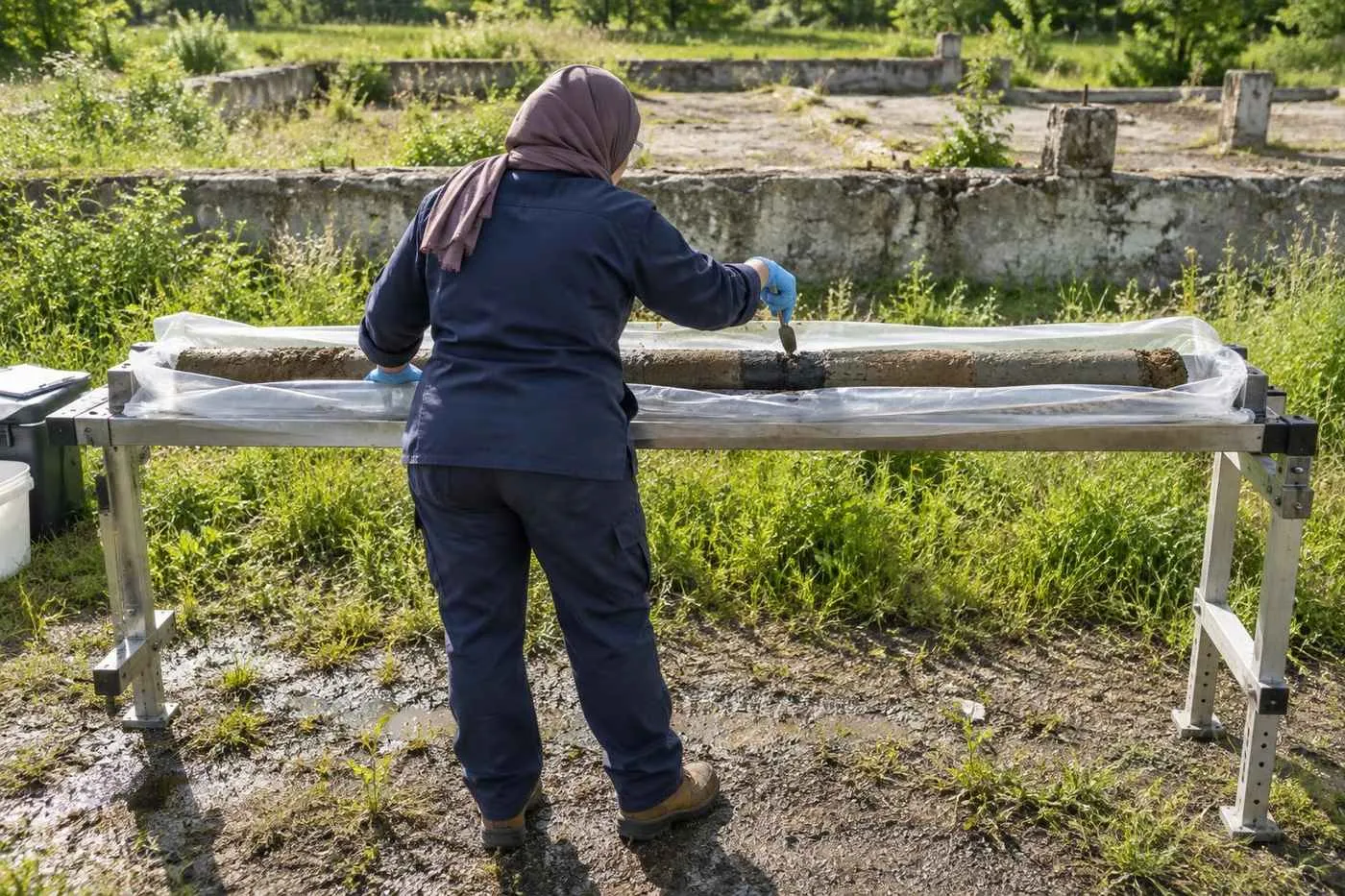
- Conduct Phase II investigations (soil and groundwater sampling) when Phase I flags RECs
- Provide regulatory compliance support during development or operations
- Manage remediation projects if contamination is confirmed
- Navigate agency notices and brownfield redevelopment processes
- Assist with SBA 7(a), CMBS, or other loan underwriting requirements that demand specific report formats
If you’re buying a clean suburban office building, you probably need the consultant for one thing: a solid Phase I. If you’re acquiring a former gas station, dry cleaner, or industrial site, the consultant relationship may last months — through Phase II sampling, lab results, and potentially remediation oversight.
Pro Tip:Start your due diligence early. Lenders and realtors who mandate Phase I ESAs create timeline pressure that pushes buyers toward cheaper, faster firms. That’s exactly when corners get cut. Build Phase I into your due diligence timeline before you’re under contract pressure.
The Quality Problem Nobody Talks About
The Phase I market has a commodity problem. Because lenders require the report, a cottage industry of low-cost firms has emerged that technically check the ASTM boxes without actually protecting you.
Common shortcuts: skipping FOIA document requests, doing cursory site inspections, conducting minimal interviews. The report looks complete. The liability is still there.
Incomplete scope is the silent killer. If the consultant doesn’t pull historical records thoroughly, doesn’t interview prior occupants, or misses an environmental lien search, they’ve handed you a document that feels like protection but isn’t.
What to look for in a qualified firm:
- Credentials on the report: CEP, PG, or PE must sign the Phase I for it to qualify under AAI
- Multidisciplinary team: Engineers and geologists, not just one generalist
- Full ASTM scope: Confirm they include FOIA requests, lien searches, and occupant interviews — ask explicitly
- References: Review past reports for thoroughness, not just delivery speed
The cost-vs-thoroughness tension is real. But the cost of an undiscovered REC — renegotiating a deal, managing a brownfield, or absorbing Superfund liability — makes a few hundred dollars in upfront scope look like nothing.
Practical Bottom Line
If you’re acquiring any commercial or industrial property, here’s the sequence:
-
Hire a qualified environmental consultant early — before contract pressure hits. Verify their credentials. CEP, PG, or PE on the final report is non-negotiable for CERCLA protection.
-
Confirm ASTM E1527-21 compliance — not an older version. Ask the firm directly. This is the standard that qualifies under EPA’s All Appropriate Inquiry rules.
-
The Phase I is the starting point, not the finish line — if RECs are identified, the consultant recommends Phase II. Don’t treat the Phase I report as a green light if it flags anything.
-
Scope the engagement honestly — for a complex industrial site, budget for the possibility of Phase II. For a clean office building, a straightforward Phase I engagement is likely sufficient.
For a full breakdown of what environmental consultants do across different project types, read The Complete Guide to Environmental Consultants. If you’re navigating the REC-to-remediation process, understanding how to evaluate Phase II proposals will save you time and money on the back end.
The short version: you need the consultant to get the Phase I, and you need the Phase I to be protected. Don’t separate them conceptually — but do understand what you’re buying when you hire for one versus the other.
Done reading? Get quotes from environmental consultants near you.
Takes about a minute. Free, no obligation; providers reply to you directly.
Popular cities:
Nick built this directory to help developers and lenders find credentialed environmental consultants without wading through firms that also perform remediation — a conflict of interest he encountered firsthand while navigating due diligence on a commercial acquisition.