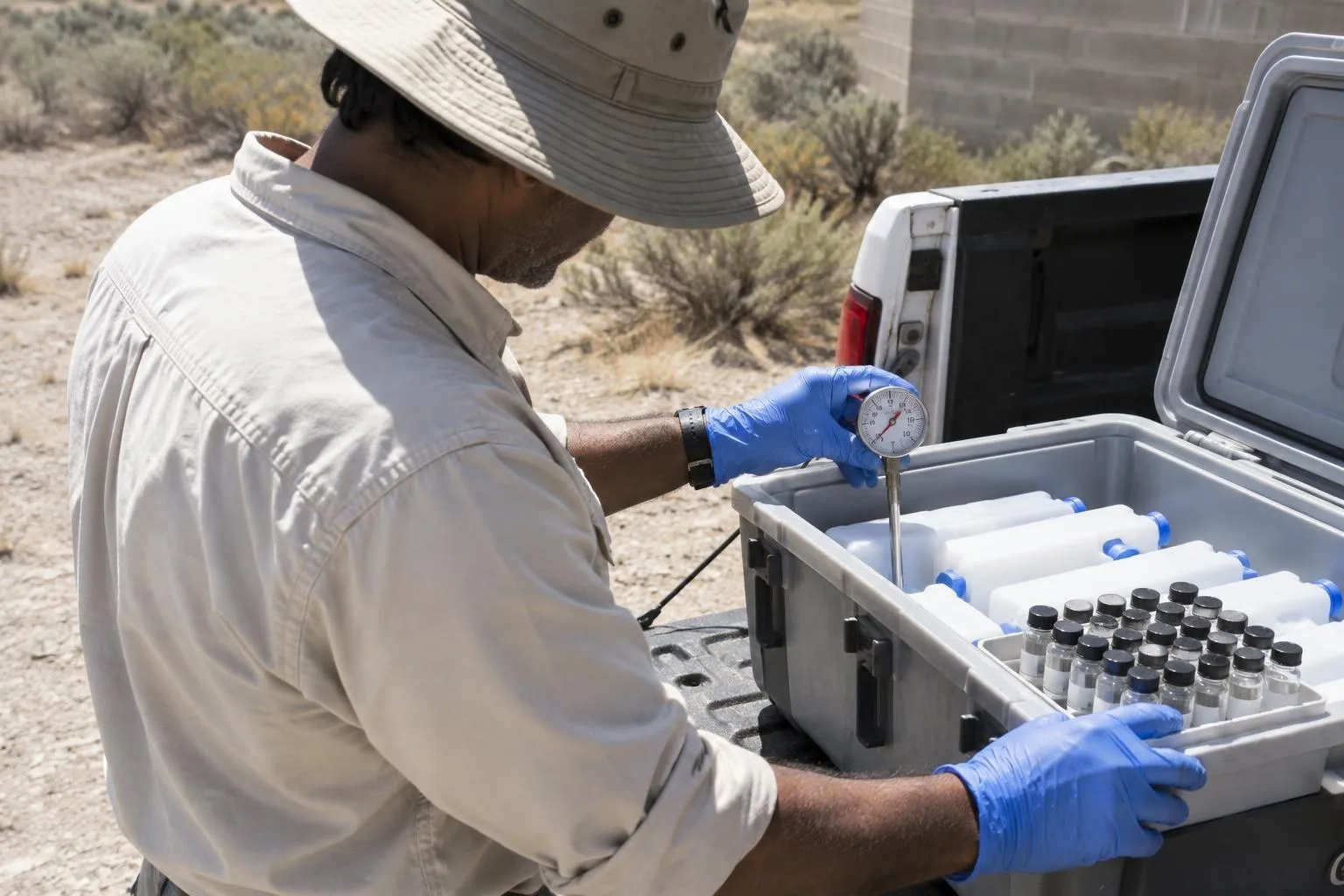
Environmental consultants listed in Los Angeles
See all 9 in Los Angeles →- 14.5★ (4) · Los Angeles
SWCA Environmental Consultants provides environmental consulting services, including planning and permitting, engineering, earth sciences, biological and ecological services, and policy and regulatory advisory services. It serves industries including government, land development, mining, oil and gas, power generation, transportation, and water, and states that it has 45 years of experience.
- 2Los Angeles
ACC Environmental Consultants, Inc. is a 100% employee-owned, multi-practice environmental consulting firm established in 1986. It provides environmental consulting services in California, Oregon, and Washington, including Phase I and Phase II environmental site assessments for buyers, sellers, investors, and lenders in real estate transactions.
- 3Professional Geologist · Professional Engineer
Andersen Integrated Services is a consulting and construction firm providing environmental, engineering, health and safety, catastrophe response, and environmental compliance consulting services. Its environmental work includes Phase I Environmental Assessments, Phase II soil and groundwater testing, remediation planning and monitoring, and environmental expert witness services. The firm states that it employs Certified Industrial Hygienists, Professional Engineers, Professional Geologists, and other certified professionals.
- 4Glendale
Diversified Environmental Field Services (DEFS), the DBA for Diversified Drilling Inc., provides environmental field services as a subcontractor to environmental consulting and engineering firms. It supports Phase II and Phase III environmental site assessments and soil and groundwater remediation through drilling, sampling, construction, and remediation services. Its personnel have more than 20 years of industry experience.
- 5Los Angeles
Environmental consulting services including project management and peer review.
Get free quotes from environmental site assessment in Los Angeles
Takes about a minute. Free, no obligation; providers reply to you directly.
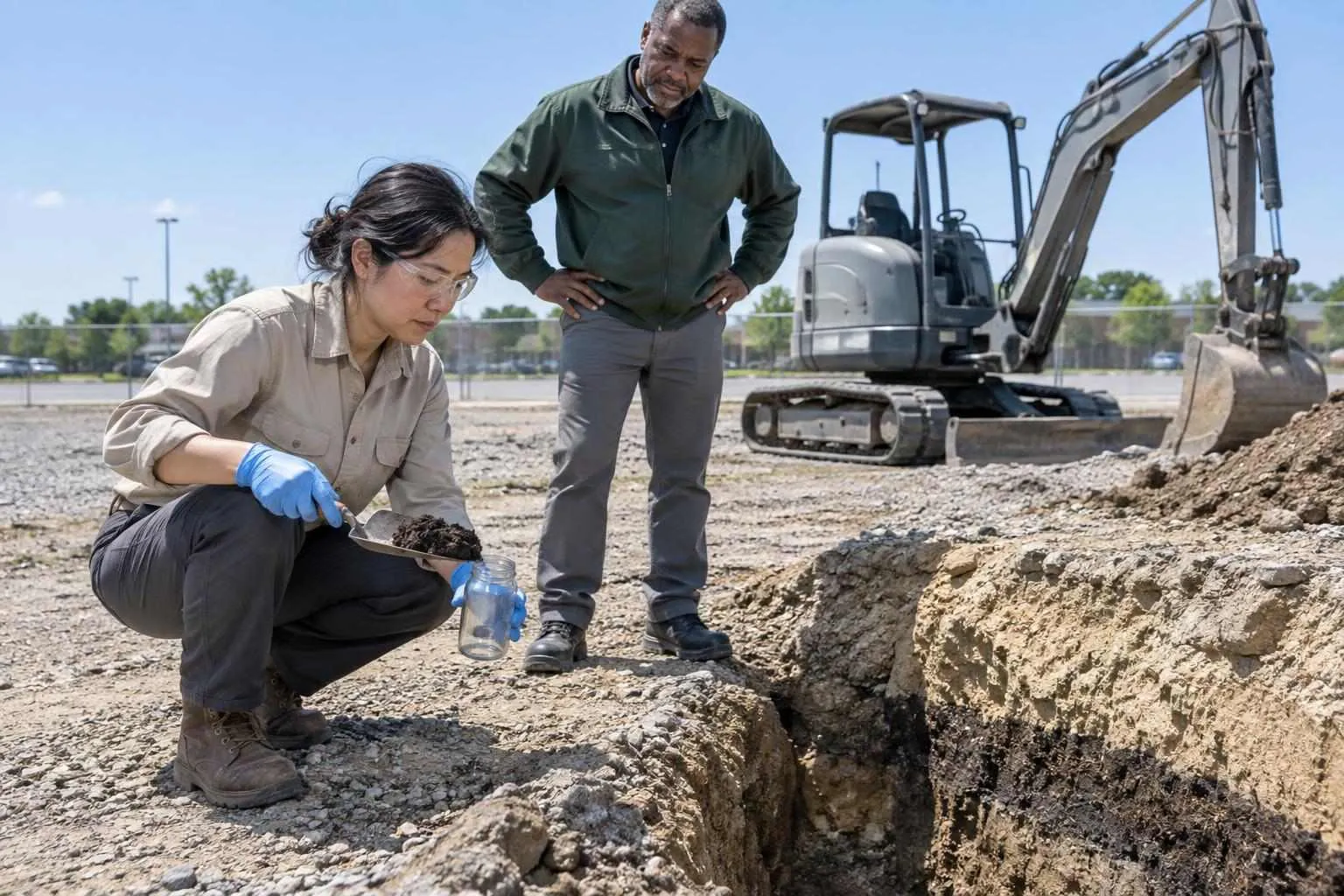
A client in 2023 called me on a Thursday morning, panicked. He’d just signed a letter of intent on a former dry-cleaning site in Koreatown — purchase price $2.1 million — and his SBA lender was asking for a Phase I ESA he’d never heard of. “Is that a problem?” he asked. I told him we’d find out in about three weeks. Spoiler: it was. The site had a recognized environmental condition from decades of PCE use, and the deal needed a Phase II before anyone would touch it.
That story plays out constantly in Los Angeles. The city has more environmental liability landmines per square mile than almost anywhere in the country — aerospace brownfields in the South Bay, dry-cleaning solvent plumes in Koreatown, oil field contamination in Signal Hill and the Wilmington corridor, and a permitting apparatus (CEQA) that stops development cold if you haven’t done the homework. Picking the wrong environmental consultant here doesn’t just cost you time. It can crater a deal.
The Short Version:Los Angeles has excellent environmental consultants at every scale — from global firms like AECOM and Tetra Tech down to boutique specialists. For CEQA compliance on development projects, LA City Planning maintains a list of 25 approved firms you must use. For Phase I/II ESAs on commercial transactions, the right firm depends on your timeline, budget, and whether the site has a complicated regulatory history. Start with the approved list if you’re doing entitlements; prioritize ASTM E1527-21 credentials and lab turnaround time if you’re closing a deal.
Key Takeaways
- LA City Planning requires hiring from a list of 25 pre-approved environmental consulting firms for CEQA review on development projects — you don’t get to shop freely
- Tetra Tech is headquartered in Pasadena (30,000 associates, $1.34B FY2024 revenue); AECOM is headquartered in LA itself ($16.1B FY2024 revenue) — you have genuine tier-1 firms local to this market
- Phase I ESAs follow ASTM E1527-21 standards; if a firm can’t cite that standard immediately, keep walking
- Most consultants in this market don’t publish rates — expect $150–300/hour for mid-tier work, and budget for Phase II if you’re buying anything with an industrial past
What Makes Los Angeles Different
Nobody tells you this when you move from a simpler market: Los Angeles has layered environmental liability that most cities don’t. You’ve got:
- Oil and gas legacy contamination — the LA Basin sits on a historic oil field. Wilmington, Signal Hill, and pockets of West LA have subsurface infrastructure that shows up in Phase I records searches and surprises buyers constantly.
- CEQA as a hard gate — California’s Environmental Quality Act isn’t optional. For any discretionary permit in the City of LA, you need environmental review from a City-approved consultant. That’s not a suggestion; it’s baked into the entitlement process.
- Multiple regulatory jurisdictions — DTSC, LARWQCB, South Coast AQMD, and local city agencies can all have a say depending on what’s in the ground and what you’re building.
- Industrial legacy in unexpected zip codes — dry cleaners, auto shops, and light manufacturing scattered through residential and mixed-use corridors have left chlorinated solvent plumes in places that look completely benign on a map.
The good news: LA has a deep bench of environmental consultants who’ve seen all of it.
The Landscape: Who’s Operating Here
| Firm | Headquarters | Size | Strength |
|---|---|---|---|
| AECOM | Los Angeles, CA | Global ($16.1B revenue) | Infrastructure + CEQA, large public/private projects |
| Tetra Tech | Pasadena, CA | 30,000 staff, 550 offices | Water, environment, sustainable infrastructure |
| Rincon Consultants | California (LA presence) | Mid-size, est. 1994 | CEQA, environmental planning integration |
| Terracon | Carson, CA (LA office) | National, 60+ yrs SoCal | Geotechnical + environmental, Phase I/II, multi-county |
| Alliance Environmental Group | Azusa, CA | 50–249 employees, est. 1995 | 100% environmental focus, local roots |
| SWCA | Regional offices | Employee-owned | Scientific/compliance work |
| CDM Smith, Dudek, ICF, LSA, Psomas, Burns & McDonnell | LA metro | Large-mid | All on City of LA CEQA approved list |
Reality Check:The big firms — AECOM, Tetra Tech, CDM Smith — are exceptional at large infrastructure and CEQA work. But if you’re a developer or lender closing a $3M commercial deal and need a Phase I in 10 business days, you may get better responsiveness from a regional specialist like Rincon, Terracon, or Alliance. Size is not always an advantage on transactional work.
CEQA vs. Transactional Work: Two Very Different Hiring Decisions
Here’s what most people miss: “environmental consultant” covers two almost separate worlds in LA.
CEQA/Entitlement work — You’re going through discretionary permitting with the City of LA. You need an Initial Study, potentially an EIR. The City publishes a list of 25 approved firms. You hire from that list, full stop. The current roster includes AECOM, Burns & McDonnell, CDM Smith, Dudek, ICF, LSA Associates, Psomas, Rincon, and Wood, among others. Contracts are governed by the City’s standard terms and performance conditions.
Transactional ESA work — You’re buying, selling, refinancing, or underwriting. Your lender needs a Phase I ESA that complies with ASTM E1527-21. This is separate from CEQA and you can hire any qualified firm. What matters here: credentials (CHMM, REP, PE, or PG on the signature block), turnaround time, and whether they have experience with the specific contamination type your site might have — PCE plumes need different expertise than petroleum hydrocarbon sites.
Mixing these up costs money and time. Get clear on which one you need before you make a single call.
How to Hire Well in This Market
Pro Tip:Ask every candidate this question: “Have you worked on sites with [specific contamination concern] in [relevant jurisdiction] before?” A firm that’s navigated a DTSC-listed site in LA County is not the same as one that’s only done Phase Is in clean suburban markets. Local regulatory fluency matters enormously here.
A few practical filters:
- Verify credentials — The report needs a qualified environmental professional on the signature block. CHMM, REP, PE (civil/environmental), or PG. Ask who’s actually signing.
- Confirm ASTM E1527-21 compliance — The 2021 revision (not 2013) is current. Lenders will reject outdated reports.
- Ask about lab relationships — Phase II results depend on certified laboratory turnaround. If they can’t name their labs, that’s a yellow flag.
- Check the LA City approved list if you’re doing entitlements — It’s published by LA City Planning and non-negotiable for discretionary permits.
- Clarify scope before you sign — A Phase I that doesn’t include a vapor intrusion screening when the adjacent property has dry-cleaning history is incomplete. Push on scope.
The Los Angeles environmental consultants directory has vetted firms serving the LA market with verified credentials and specialties.
What Does It Cost?
I’ll be honest — most firms in this market won’t quote you a rate publicly. Clutch.co lists the major players with “undisclosed” pricing across the board. What you’ll realistically encounter:
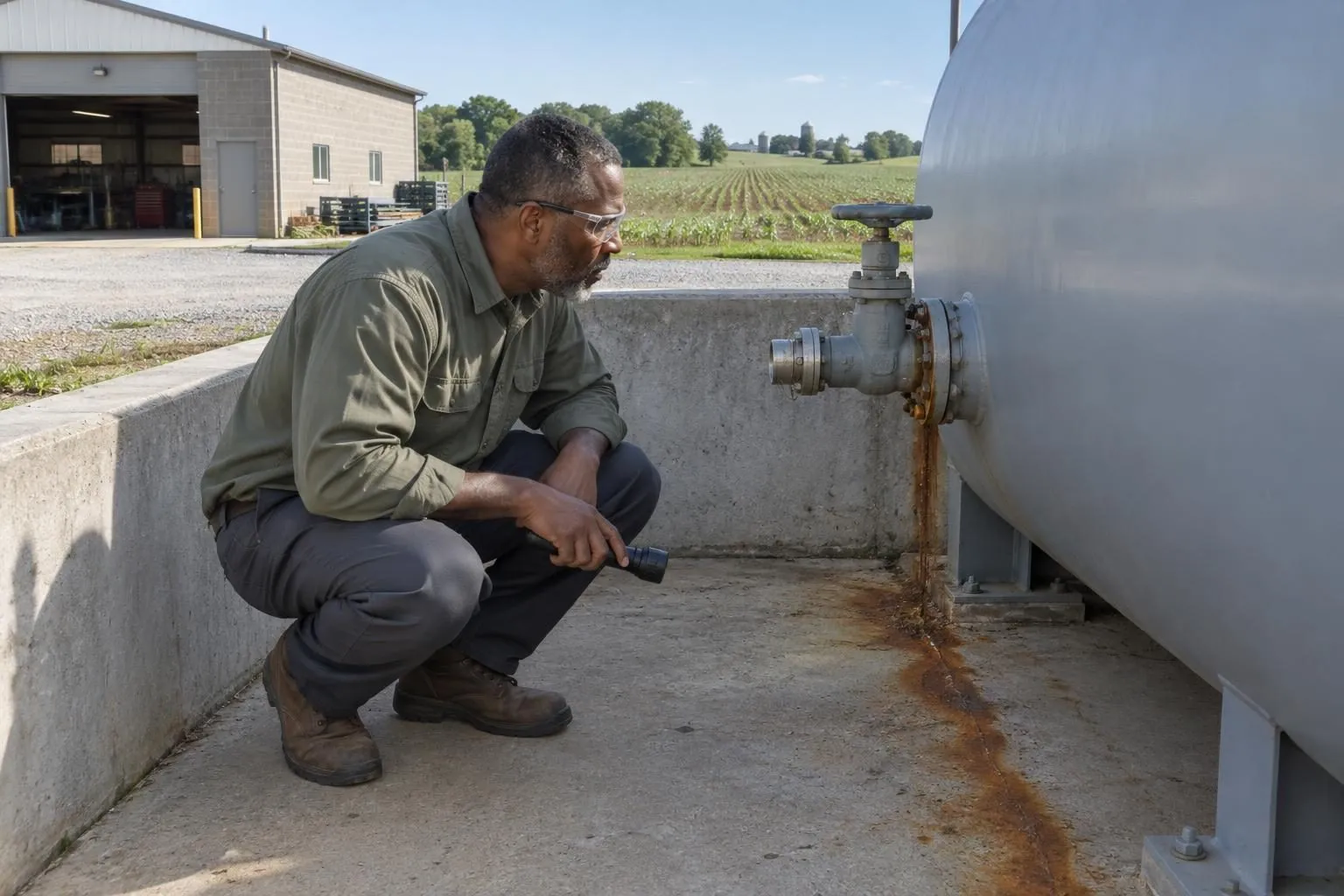
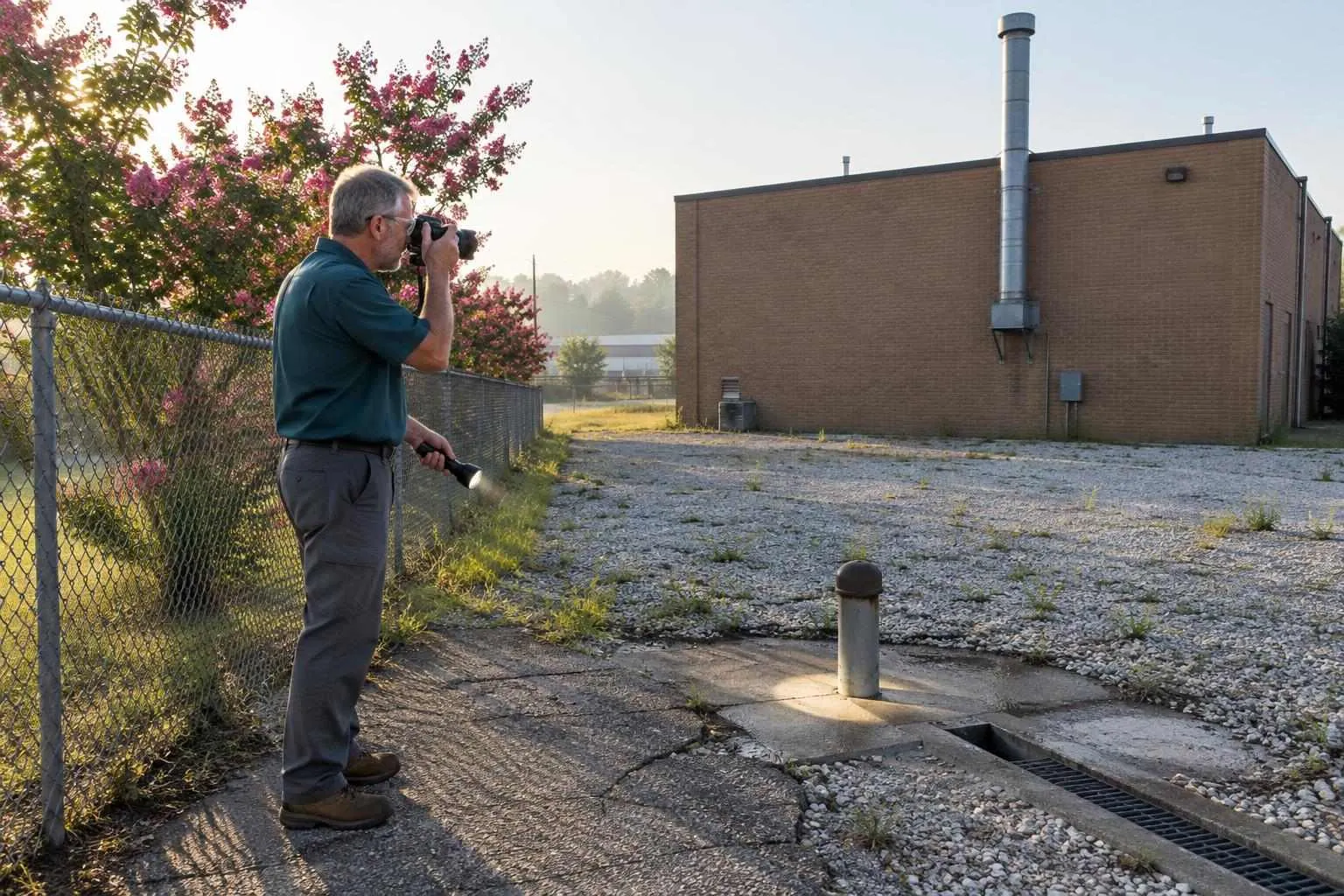
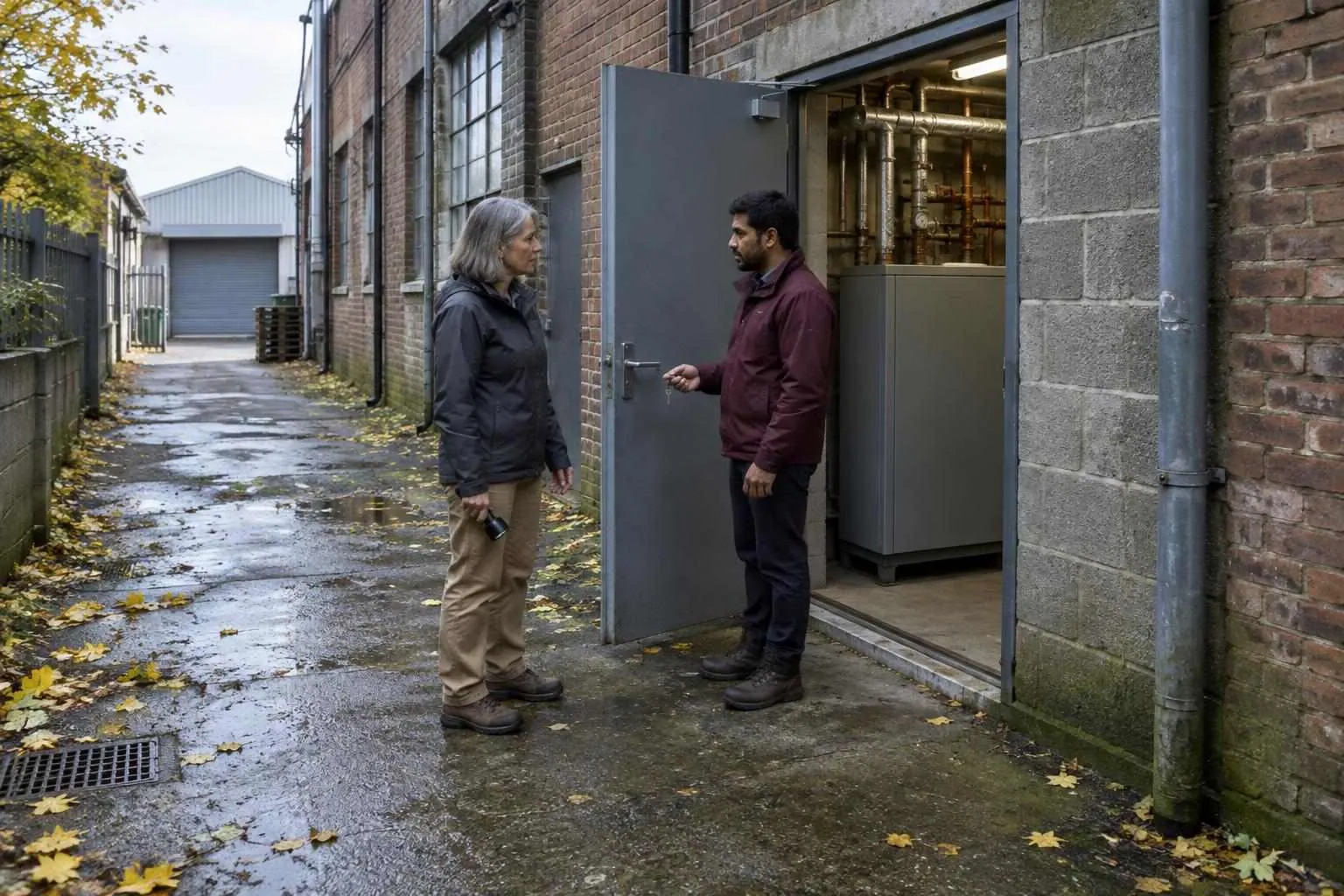
- Phase I ESA: $1,500–$4,500 for a standard commercial property; complex sites or large portfolios run higher
- Phase II ESA: $5,000–$30,000+ depending on number of sample locations, laboratory costs, and regulatory reporting requirements
- CEQA Initial Study: Highly variable, often $15,000–$75,000 depending on project complexity and scope
- Hourly consulting: $150–$300/hour for mid-tier; senior PEs and CHMMs at major firms run higher
Get three bids for transactional work. For CEQA work, you’re constrained to the approved list, so compare scope and responsiveness rather than just price.
Practical Bottom Line
If you’re doing a commercial acquisition or refinance in the LA market, start here: Does the site have any industrial history, dry-cleaning adjacency, or proximity to the old LA oil field footprint? If yes, budget for Phase II from the start and hire a firm with specific experience in that contamination type. Don’t let a lender’s Phase I timeline pressure you into a stripped-down report.
If you’re going through entitlements with the City of LA, pull up the Planning Department’s approved consultant list and interview two or three firms on scope, timeline, and their familiarity with your project type.
Either way, the worst outcome is hiring a generalist who’s learning your site’s contamination type on your dime.
For a deeper foundation on what environmental consultants do and how to evaluate them, read The Complete Guide to Environmental Consultants — it covers Phase I/II mechanics, credential verification, and how to read an ESA report before you sign anything.
Done reading? Get quotes from environmental consultants in Los Angeles.
Takes about a minute. Free, no obligation; providers reply to you directly.
Popular cities:
Nick built this directory to help developers and lenders find credentialed environmental consultants without wading through firms that also perform remediation — a conflict of interest he encountered firsthand while navigating due diligence on a commercial acquisition.